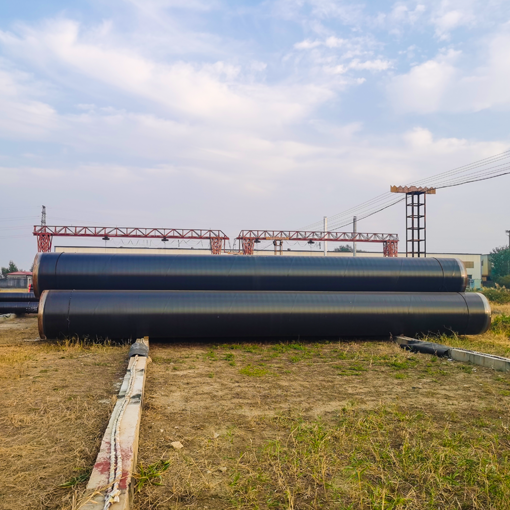
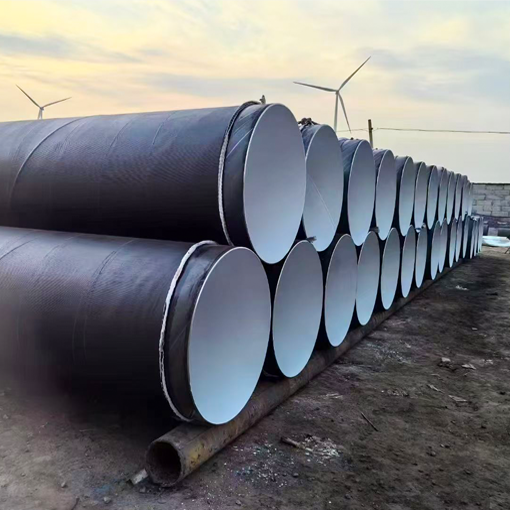
Oilfield Casing & Tubing(API 5CT)
Manufacturing Process: Hot-rolled piercing & hot-finished; tubing available in cold-drawn precision sizes upon request
Applicable Standards: API Spec 5CT
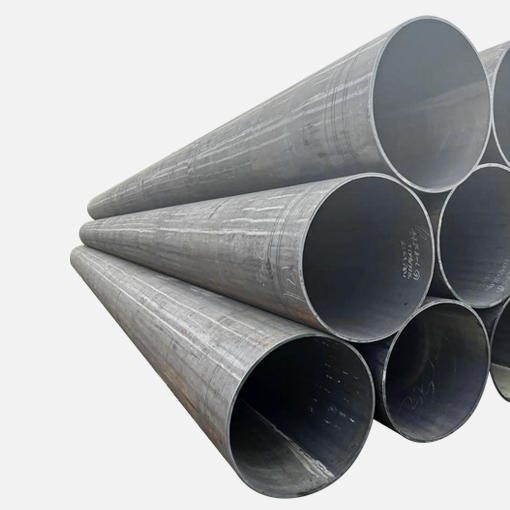
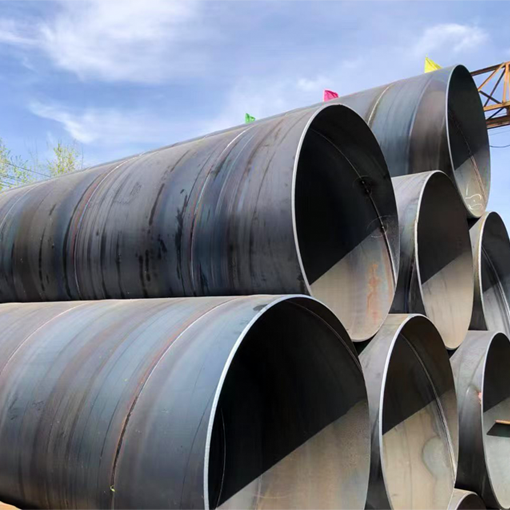
Surface Condition: Bare black finish as standard; varnish coating or anti-rust oil available on special request
Main Application: Oil & gas well bore support, downhole production tubing, water injection wells, geothermal well projects
Value-added Processing: Cut-to-length, end facing, threading (BTC, LTC, N80, P110 premium thread optional), coupling installation, hydrostatic test
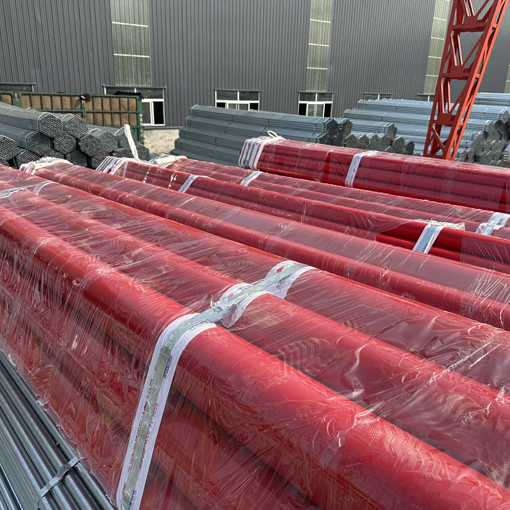
Export Packaging: Steel protection caps on both ends, bundled with steel strips; couplings packed separately in plywood cases (extra cost)
Supply Mode: Direct factory supply for oilfield, gas field and geothermal engineering contractors
Oilfield Casing & Tubing(API 5CT) — Seamless Steel Pipe for Oil & Gas Well Construction
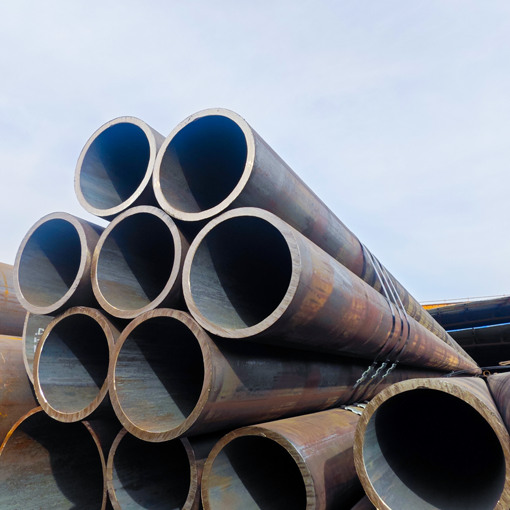
Oilfield Casing & Tubing(API 5CT) stops the borehole walls from caving in. Groundwater stays apart from hydrocarbons because of it. Fluids that come out of the reservoir travel up to the surface through this pipe. Tianjin Youcheng Technology keeps API 5CT casing and tubing with no seam in stock. Grades J55, K55, N80Q, L80, and P110 all ship out of our yard. Outer diameters go from 60.3 mm to 508 mm. Wall thickness sits between 4.24 mm and 22.23 mm. Steel distribution is our business, and we have been at it for 12 years. Our stock holds about 200 tons. When the pipe supply has to be traceable and meet spec, oilfield contractors and procurement teams come to us.

What Is API 5CT Casing and Tubing?
The American Petroleum Institute puts out API Spec 5CT. What material steel pipe for wellbore construction has to be made of, that standard spells out. It sets the size rules. Testing requirements are spelled out in it as well.
Casing sits against the wellbore wall. Formation pressure gets held back by it. Cave-ins are stopped. Freshwater aquifers stay safe from hydrocarbons or drilling fluids.
Tubing goes down inside the casing string. Oil and gas climb to the surface through it, starting at the producing zone.
Both products have to hit the mechanical and chemical specs that are set for them. Downhole, lithostatic pressure runs high. Extreme temperatures and corrosive fluids are part of the picture too. Standard structural pipe cannot take any of that.

Material Grades and Technical Specifications
The whole API 5CT grade range is available from us. Every grade fits one set of downhole conditions.
| Grade | Yield Strength (psi) | Typical Use Case |
|---|---|---|
| J55 | 55,000 – 80,000 | Shallow, low-pressure conventional wells |
| K55 | 55,000 – 80,000 | Same yield as J55 but higher minimum tensile strength |
| N80Q | 80,000 – 110,000 | Medium-depth wells, quenched & tempered |
| L80 | 80,000 – 95,000 | Sour service wells with H2S present |
| P110 | 110,000 – 140,000 | Deep, high-pressure, high-temperature wells |
| Parameter | Range | |
| --- | --- | |
| Outer Diameter | 60.3 mm – 508 mm | |
| Wall Thickness | 4.24 mm – 22.23 mm | |
| Pipe Length | Range 1 / Range 2 / Range 3; custom cutting available | |
| Pipe End | Plain end or Threaded & Coupled (T&C) | |
| Thread Type | BTC, LTC, STC; premium connections on request | |
| Surface Finish | Bare black (standard); anti-rust oil or varnish coating on request | |
| Manufacturing | Hot-rolled piercing & hot-finished; cold-drawn precision tubing on request | |
| Standard | API Spec 5CT |
Inspection and Quality Documentation
Each pipe length goes through a defined inspection sequence before shipment.
Hydrostatic pressure testing runs on every single pipe length. API rules make it mandatory. The test proves the pipe holds its rated internal pressure and does not leak.
Full-body ultrasonic inspection (UT) finds internal laminations and seams. Wall defects that a visual check would miss also show up here. Need to catch surface cracks? You can order Magnetic Particle Inspection (MPI) on request.
API Drift testing passes a mandrel through the full pipe length to confirm that the internal diameter is clear and consistent — important for running pumps, logging tools, and perforating guns downhole.
Chemical heat analysis and mechanical testing — including tensile, hardness, and Charpy V-Notch impact — confirm that each heat meets the metallurgical requirements of its grade and the applicable PSL level.
Full heat traceability runs through the whole production process. Every shipment of Oilfield Casing & Tubing(API 5CT) leaves with a Mill Test Certificate in EN10204 3.1 format. A third party can also inspect the goods on request.

Application Scenarios
High-pressure / high-temperature (HPHT) deep wells: In wells that sit under heavy geostatic loads and high temperatures, P110 grade casing holds up. Pipe of a lower grade cannot reach the collapse and burst ratings those wells call for.
Sour service environments (H2S present): L80 grade keeps its hardness inside a set range. That is what lets it resist Sulfide Stress Cracking (SSC). When a well carries sour gas, this is the standard API 5CT pick.
Offshore directional and horizontal drilling: Offshore crews drilling directional or horizontal wells need premium-connection casing to keep a gas-tight seal. Bending stress and torque loads come with complex well paths, and this casing holds up under both. Standard BTC or LTC threads can leak in conditions like these.
Water injection and geothermal projects use API 5CT pipe too. Pressure ratings and dimensional tolerances in those jobs must meet an international standard you can trace.
Value-Added Processing for Oilfield Casing & Tubing(API 5CT)
You can order pipe ready for the wellsite. Available services include:
- Cut-to-length: We cut each joint to the exact length your casing string design calls for
- End facing and threading: Ask for BTC, LTC, or STC. Premium thread profiles are also available
- Coupling installation: Couplings assembled and packed separately in plywood cases
- Hydrostatic testing: Every length gets this test, done to API 5CT
Sizes that are not standard can be discussed. So can PSL levels such as PSL-1 or PSL-2, and paperwork that a given country asks for. It comes down to what your project needs.
PSL-1 vs PSL-2 — Which Do You Need?
| Feature | PSL-1 | PSL-2 |
|---|---|---|
| Charpy impact test | Not mandatory | Mandatory |
| Chemical composition control | Standard limits | Stricter limits |
| Suitable environment | Standard wells | Sour, corrosive, or low-temperature wells |
Low temperatures, sour gas, or higher CO2 in your project? Then ask for Oilfield Casing & Tubing(API 5CT) PSL-2. Testing for toughness comes with it, and that testing is mandatory. Chemistry control is tighter too. Neither one is asked for by PSL-1.
Steel Products & Steel Pipes for a Broad Range of Industrial Applications

Packaging & Delivery

Global Clients Visit Our Steel Supplier Factory

Frequently Asked Questions
Q: What sets J55 and K55 apart the most?
A: Both grades share the same yield strength range. K55 still asks for a higher minimum tensile strength, though. That extra strength is what load-bearing jobs need. In those spots, a pipe body failure becomes a design problem.
Q: When should I pick PSL-2 instead of PSL-1?
A: PSL-2 suits harsher environments. It makes Charpy V-Notch impact testing mandatory. Chemical composition limits get tighter as well. That helps in corrosive settings and at low temperatures.
Q: What does API Drift testing confirm?
A: A mandrel with a fixed diameter runs through the whole pipe. The inner bore then proves even and clear. Nothing blocks it. Downhole tools such as pumps and logging instruments can pass through without any restriction.
Q: How do premium connections differ from standard API threads?
A: Metal-to-metal seals and torque shoulders are built into premium connections. A gas-tight joint comes from these parts. When gas pressure runs high, or bending loads get heavy, standard BTC or LTC threads often lose that seal.
Q: What paperwork comes with each shipment?
A: Every shipment leaves with a Mill Test Certificate. The format is EN10204 3.1, and we issue one per heat, which is what API 5CT rules call for. Want a third party to check the goods? Just ask. We can set that up for you.
Contact Us
Email your specs and the amount you need to sales@youchengkjsteel.com. A reply comes back fast. That way your Oilfield Casing & Tubing(API 5CT) procurement timeline stays on track.
.webp)