How are plastic coated steel pipes joined or connected
How do you join a plastic coated steel pipe without tearing up the coating that protects it? The short answer is threaded fittings, flanges, grooved couplings, or mechanical connectors handle most jobs. Welding works too, but only after the coating is stripped from the joint zone and restored once the weld cools. This guide walks through each method, the standards behind them, and the inspection steps that keep a plastic coated steel pipe network leak-free for years. I will also share figures from our own quality logs at Youcheng, where we ship this product to fire protection and water utility projects in more than ten countries.
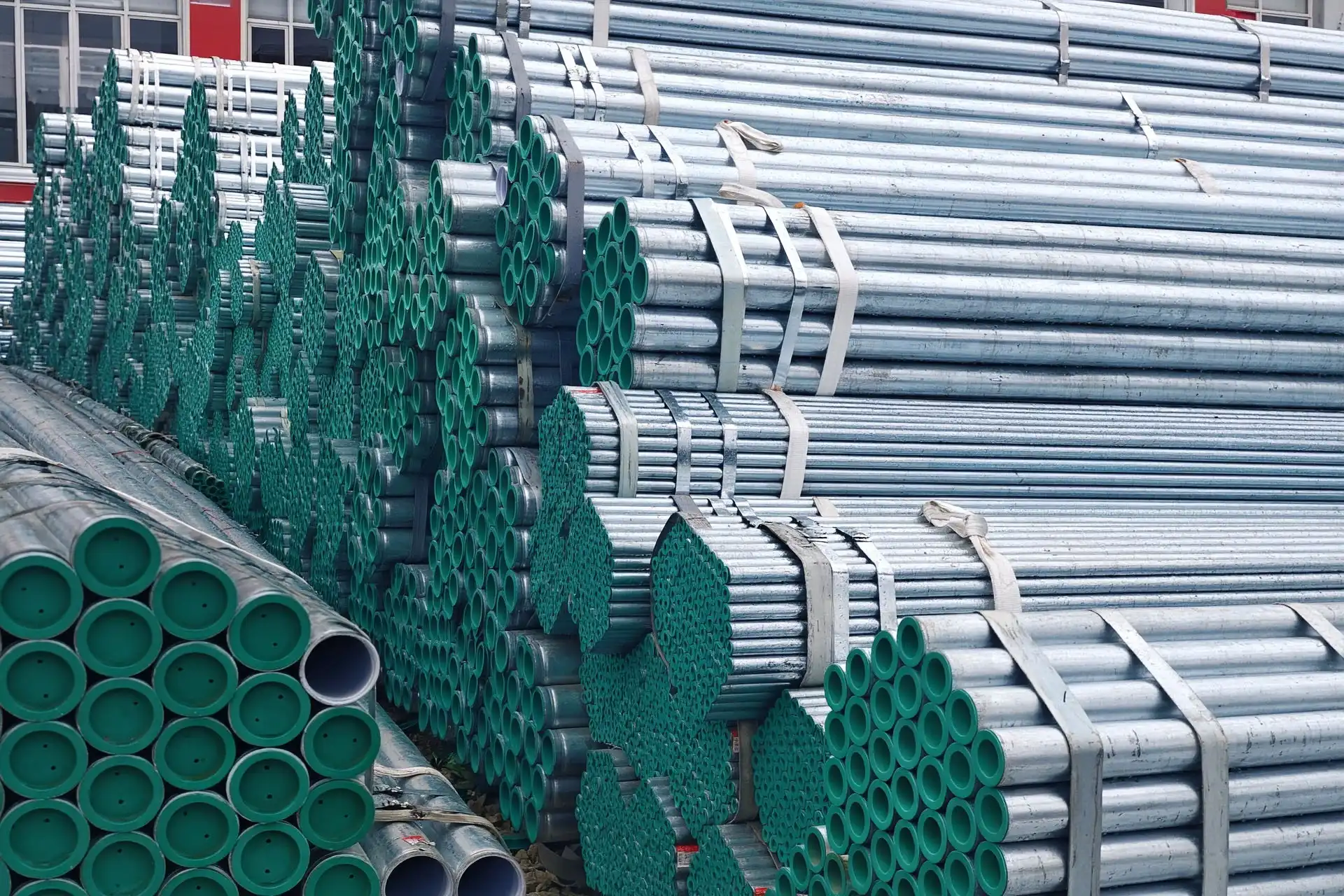
What Is a Plastic Coated Steel Pipe and How Is It Connected?
Quick Answer Summary
Okay, let's talk about the main points that most buyers need to know before we get into each type of joint.
- Plastic coated steel pipe is normally joined with welded joints, threaded ends, flanges, or grooved couplings. Around the joint, the covering is taken off and put back on.
- The best method depends on the pipe's size, its pressure class, its temperature, the fluid it's carrying, and whether the line needs to be taken apart later for maintenance.
- You need to fix any coating damage right away at a cut, thread, or weld. If you don't, rust will start to form there in months, not years.
- Fire safety networks often use routed couplings since they are simple to set up and can still be cleared for non-listed or commercial fire uses.
- Valve and pump ends on water supply lines often have flanges. Pipes are held together along straight runs by grooved or threaded joints.
Before putting pen to paper, a project engineer asks just about every question they can think of. In the parts that follow, we'll talk about how each joint works, where it might break, and what papers should back it up.
Defining Plastic Coated Steel Pipe
Electric resistance welded (ERW) steel tubes are the building blocks of plastic coated steel pipes. Most ERW steel tubes are made of Q235B or ASTM A53 Grade B steel. If you heat the powder, it bonds an epoxy layer to the inside and a PE or EP layer to the outside of the steel once the tube is formed. The inside layer is not permeable to acids, bases, or salt. Earth ions and water can't get to the steel once the pipe is buried because of the top layer.
A plastic coated steel pipe, on the other hand, has a steel shell with a plastic sleeve inside that can be left loose or put on by hand. There is no layer of powder on top of the steel. Also, it's not the same as galvanized pipe, which only has a zinc layer and no polymer barrier. A summary of coating data from the industry on Sohu's materials engineering channel shows that bonded epoxy and PE systems work better than zinc in acidic soil. This is because the polymer forms a continuous wall instead of a metal layer that needs to be replaced.
Main Connection Options Compared
What kind of connection is used most often? What are the main pros and cons?
| Connection method | Typical use | Main advantage | Main limitation |
|---|---|---|---|
| Threaded fittings | Small hole, low to medium pressure | Quick field assembly | Size range limited, risk of over-torque |
| Flanges | Pumps, valves, and large diameter lines | Simple to disassemble for maintenance | Bigger and more expensive to make |
| Grooved couplings | Fire alarms, HVAC, and water mains | Quick installation without hot work | Needs matching groove and housing |
| Mechanical compression fittings | Repairs and some utility runs | No need for heat or welding | Size and pressure limits apply |
| Welded joints | Permanent steel pipelines | Strongest structural bond | Coating needs to be taken off and put back on |
Most of the time, a fire prevention worker will use grooved joints when working with DN100 sprinkler branch lines. Most of the time, a city water company will want flanges at each valve chamber and welded or grooved joints between them when they install a DN400 trunk main.
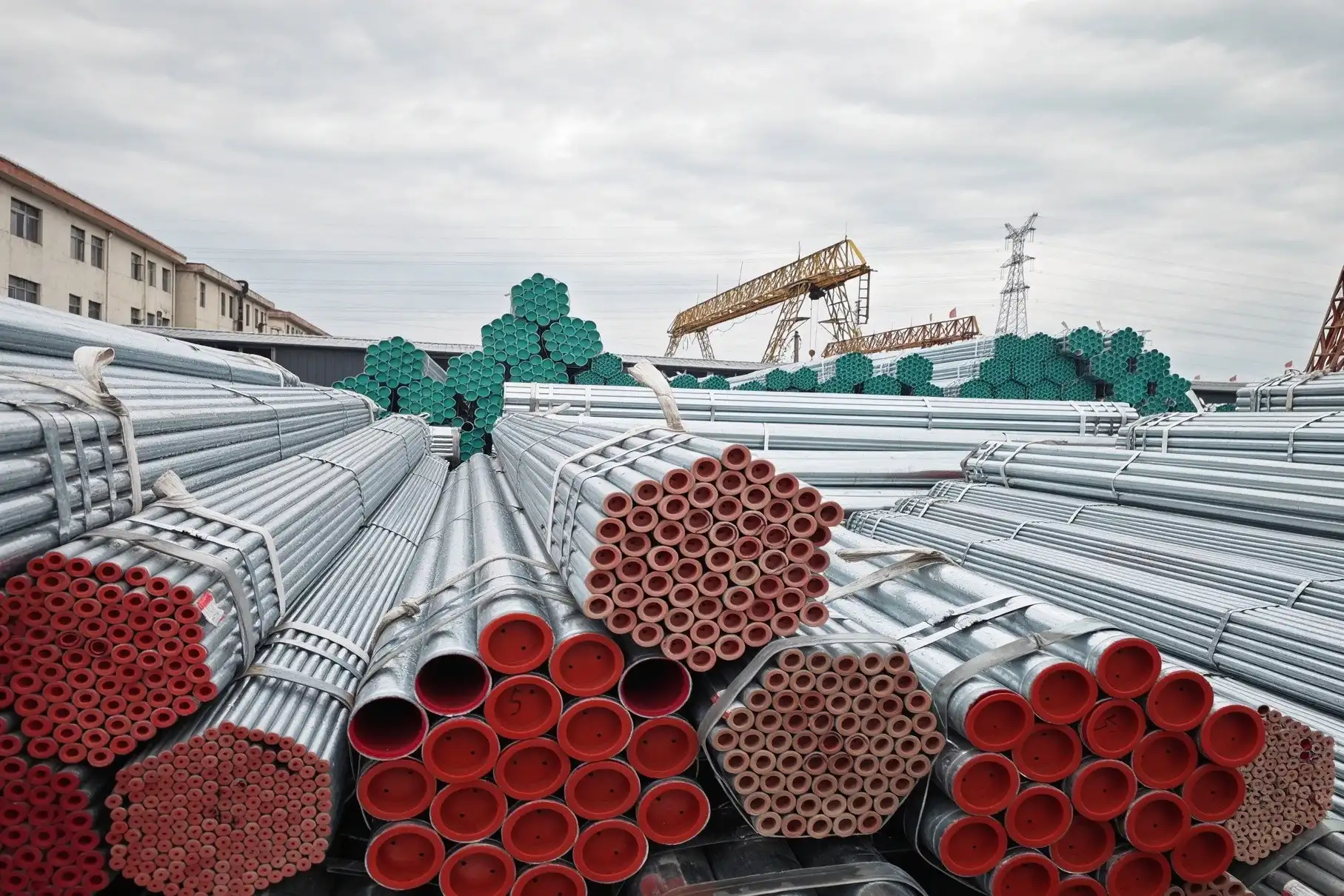
Threaded Connections for Plastic Coated Steel Pipe Systems
When Threaded Connections Work Best
For runs of plastic coated steel pipe that are less than about DN50, threaded joints work well. It's because the pressure stays about the same and the system might need to be taken apart tomorrow. There is a lot of this on home water lines, compressed air lines, and some pipes in light industry. Threads don't work well when the width is more than DN100, there is steady vibration, or the temperature of the line changes a lot. This is because threads can't handle that much movement without coming loose.
Step-by-Step Threading and Coating Protection
Without a plan, if you cut threads into a pipe that is covered, the joint will almost certainly show steel. If our red and blue coated pipe is being installed on-site, these steps should be taken.
- Before you start cutting, make sure you know the thread standard (NPT, BSPT, or the type required by the project) and that the fitting's brand matches that standard.
- When you cut, make sure that vibrations and heat don't get too close to the coating. These two things can cause small cracks outside of the cut area.
- Don't touch the rest of the pipe body; just take off the required amount of coating to engage the threads.
- Use a repair substance that has been cleared and is rated for the service temperature to hide the steel threads.
- If you need to move fire water or drinkable water, you need to use a thread sealant or tape that is made for that type of fluid.
- If you don't want to rely on feel, tighten the fitting to the pressure number that came with it. Then, look for cracks in the coating and leaks.
If you follow this order, the fix zone will stay small and well-marked. After the project is done, this is very important when a consulting engineer signs off on material submittals.
Common Threaded Joint Failures
Overtightening breaks the coating near the shoulder of the fitting on plastic coated steel pipe, which is what I've seen most of the time when threads fail in fire safety files. Thread profiles that don't match, sealants that don't work with potable water lines, and steel that is visible at the transition point and isn't protected are all on the standard list. When old fittings are used on new covered pipe as part of a refit, leaks happen more often. This is because of bad alignment of the pipes.
Flange Connections for Industrial Plastic Coated Steel Pipe
When to Choose Flanged Connections
For high-pressure or large-diameter runs, flanges are used to connect pumps and valves. They also let you take out pieces of pipe without breaking them. Places where two pieces of equipment meet, like water treatment plants, slurry lines for mines, and big spray towers, use flanged joints. This is due to the fact that nuts can be taken off in minutes instead of hours.
Flange, Bolt, and Gasket Selection Factors
To choose the right flange, you can't just look at its width; you have to think about a lot of things at once.
- The flange must be made of the same material and have the same pressure class as the pipe. Its nominal diameter is not enough. A lot of the time, retrofit projects mess up and use bolts that are too small in the field.
- There must be the same drilling pattern and face type (raised-face or flat-face) on the mating flange. If there aren't, the gasket compression will be uneven around the edge.
- The type of bolt, its length, and the way in which it is tightened all affect the gasket fitting pressure. When heated, the bolt can stretch if the wrong grade is used.
- The grease and the pipe face have a coating that the gasket material needs to be able to handle. This is because over time, some types of rubber break down epoxy.
- When two different metals are joined together, they might need to be electrically isolated so that galvanic currents don't flow between the pipe and the flange.
It's more likely for a slow weep leak to show up within the first year of service than a failure right away because these things work together.
Flanged Joint Installation Checklist
The flange sides should be clean, flat, and free of old sealing material before the parts are put together. The coating near the flange neck is stressed when you use bolt strain to line up pipe sections. This is never a good idea. When you use a measured torque wrench to tighten bolts, you need to do it in a cross-pattern pattern. The coating must then be looked at carefully right at the flange transition, and torque values and leak-test results must be recorded.
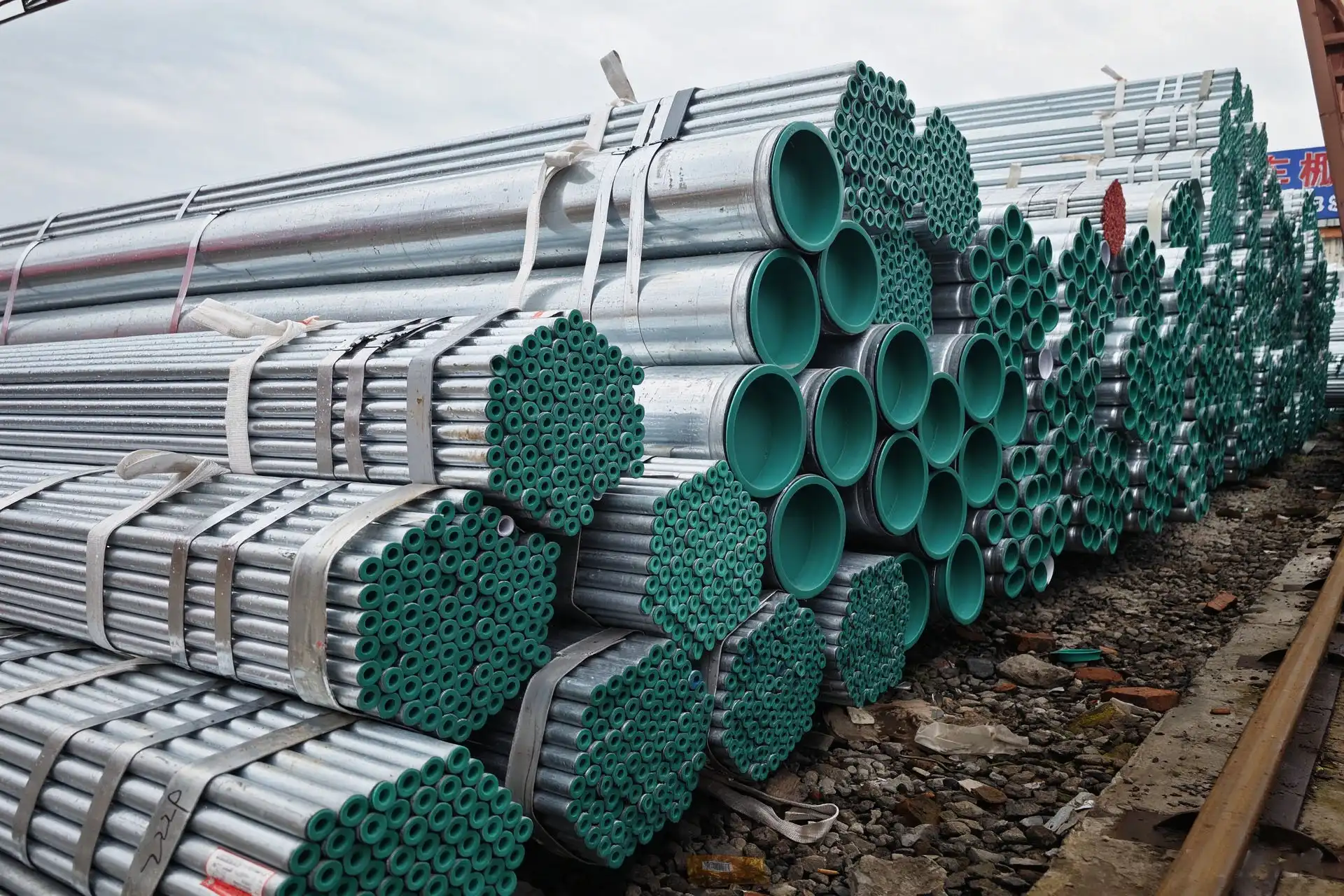
Grooved Couplings for Fire Protection and Water Systems
How Grooved Couplings Work
A grooved connection fits around two pipe ends that have a small gap rolled into them near the tip. An oil-filled pad and a case that is attached with bolts form the seal. Pipe sections stay in a straight line with rigid couplings, but they can move slightly in either direction with flexible couplings. This helps long runs of plastic coated steel pipe that are getting bigger because of the heat.
Compatibility Requirements for Grooved Joints
If there is even a small difference in depth, the housing won't be able to seat all the way. This means that the groove sizes must exactly match the tolerance table provided by the coupling manufacturer. For the gasket to work, it needs to be able to chemically combine with both the fluid and the covered resin. To make a clean groove in the steel when you roll groove, you must be careful not to press too hard. If you do, the epoxy can crack right at the groove shoulder.
Case Study: Fire Sprinkler Retrofit in the Gulf Region
An outside company in Kuwait that worked on fire safety changed the sprinkler risers on a 14-story business tower there in 2023. To do this, they switched out the rusty black steel for red epoxy-coated plastic coated steel pipe in sizes DN65 to DN150. Along the course of the project, rigid grooved couplings were used on 420 joints. When the pipe came from our plant, it already had holes cut into it, and end caps were added at the mill. The site supervisor said that this took about 30% less time to prepare than the galvanized system that was used when the building was first put up in 2009. Testing the 420 joints with 1.5 times the working pressure showed that none of them leaked, and after a year, another check showed that the coating had failed in every seam. The project's technical lead said that pre-grooved delivery fixed the biggest problem that sites had with the old method, which was having to fix damage caused by grooves that were cut in the field.
How to Protect Coating at Pipe Connection Points
Coating Removal and End Preparation
It's necessary to remove some coating from all types of joints, but the area that needs to be removed should be as small as the way the joints are connected allows. There is only a certain amount of coating that needs to be taken off of threads. Around weld joints, there needs to be a wider strip 50 to 75 mm back from the bevel. This will keep heat-affected polymer away from the weld pool. If you've cut or ground something, you should smooth out any rough edges before you put on a repair coating. If you have a rough edge, stress builds up and cracks are more likely to form quickly.
Field Repair Systems That Work
If you take off a joint coating on plastic coated steel pipe, you have to put it back on before you can use the pipe. When you need to fix something, the best system to use will depend on the type of coating that was there before and how it was used.
- Liquid epoxy patch coats are a close match for the epoxy linings inside. They harden so quickly that most job sites can test them the same day.
- Heat-shrink covers that have PE coatings on the outside work well on underground joints because they stick well to the steel and keep soil moisture out.
- When it comes to higher-pressure lines, fusion-bonded epoxy replacement products are the most like the company that put them on.
- If you need to fix a bigger area that would need more than one coat of liquid covering, sleeves or wraps that don't rust are a good choice.
Before the crew seals the joint, they need to make sure that the dry film thickness, cure time, and compatibility with the first coating all meet the needs.
Inspection Methods After Repair
There is only one check that makes a fix good. Checks done with the naked eye can show holes that are easy to see. However, dry-film thickness gages and holiday (spark) tests can find small holes that the naked eye miss. Adhesion testing, which is required by the coatings standard, shows that the fix stuck well and didn't just sit on the surface. It is important to shoot and log each area that is fixed, joined, or cut back so that it can be traced back to the original mill certificate.
Welding Requirements for Plastic Coated Steel Pipe Fittings
Can You Weld Through the Coating?
Not at all. The polymer burns and gives off fumes when you weld straight through an epoxy or PE covering. This makes the weld weak and dirty. The layer has to be taken off the weld area before arc or fusion welding can start. Now there is only the Q235B or A53 steel left. This is what has always been done with the plastic coated steel pipe materials I've sent to jobs.
Welding Procedure and Inspection Steps
An experienced welder should set the warmup temperature, the interpass temperature, and the filling material based on the type of steel and the wall's thickness. At first, the joint is looked at and its size is checked. Then, non-destructive tests like x-ray or ultrasound checks are done if the project needs them. At the end of the weld inspection, hydrostatic testing should be done at the pressure written in the contract. This is the only time the coating process should start.
Recoating the Pipe After Welding
To put on a repair coating, the weld spatter, slag, and oxide scale must first be taken off. Most of the time, this is done by grinding or blasting the surface with abrasives until it is rough enough. After, a repair coating that is compatible is put on at a thickness that matches what was needed in the first place. A holiday test is done to see how well it worked after it's dry. In the project's inspection record, you should write down the fix batch, operator, weather, and test results so that it can be used again in the future.
How to Prevent Corrosion at Pipe Joint Interfaces
Why Joint Areas Fail First
If you cut back a covering, even for a short time, you can see bare steel. Water and oxygen can start a corrosion cell where the repair is weak. Another risk that comes from different metal connections is galvanic corrosion. When buried joints don't seal well, soil can stay wet on bare steel for years. This is why underground plastic coated steel pipe joints need extra care when they are put in; the coating alone isn't enough.
Corrosion Control Measures That Hold Up
When you take a few easy steps, you can make the joint area for both underground and living lines much less likely to rust.
- When fixing something, don't just use any paints and seals that you happen to have on hand; use ones that are chemically compatible with the finish that came from the factory.
- Add dielectric separation wherever a steel pipe meets a brass valve or a cast iron chunk.
- Fill the trench back up with clean material and make the bed of the trench slope so water doesn't pool at insulated or underground joints.
- Use cathodic protection for long buried runs where the soil resistivity is low. If the ground is rough, passive coating might not be enough.
It costs more to dig up a failed joint three years into a project than to take these steps.
Plastic Coated Steel vs Other Pipe Materials
| Criterion | Plastic coated steel | Galvanized steel | Epoxy coated steel | PVC pipe |
|---|---|---|---|---|
| Structural strength | High | High | High | Lower than steel |
| External corrosion protection | Polymer barrier | Zinc layer, sacrificial | Epoxy layer | Inherent, no coating needed |
| Friction coefficient | As low as 0.0081 | Higher, scale builds over time | Low when intact | Low |
| Temperature range | −30°C to 90°C | Similar, zinc degrades above 200°C | Coating dependent | Narrower range |
| Joining options | Threads, flanges, grooves, welded with repair | Threads, flanges, welding | Threads, flanges, welding with repair | Solvent cement, fusion, mechanical |
Water workers often ask me to show them this table to show the difference between our covered pipe and galvanized pipe. Most of the time, the friction coefficient line settles the pumping cost case by itself.
Selecting Gaskets for Plastic Coated Pipe Connections
Gasket Selection Criteria
What kind of gasket is used depends on the fluid, the pressure, the temperature range, and whether the pipe is carrying drinkable water, in which case the material may need to be approved for food contact. It's also important that the gasket compound can stick to the coated pipe face without breaking it down. This is because some elastomers break down epoxy after being around it for a long time.
Common Gasket Materials Compared
If you only look at the name of a gasket, you might not get the right one, because compatibility changes from provider to supplier. Still, there are some rules that most projects that use plastic coated steel pipe must follow.
- EPDM is good for most water and fire safety needs because it doesn't get hard in ozone or a lot of different temperatures.
- But NBR breaks down more quickly in bright sunlight or places with a lot of ozone. It can handle being around oil and some hydrocarbons.
- It is better for FKM to handle chemicals and heat in industrial fluid lines than it is for water service temperature.
- You can't mix PTFE with many poisons, but it costs more and needs to be carefully compressed to seal well.
If you want to know how well a polymer works, don't just look at its name. Always compare your final choice to the gasket maker's chemical compatibility chart.
Gasket Installation Checklist
Compare the gasket's size, thickness, and form to the flange model before you put it in place. Look for cuts, signs of wear, or dirt on the gasket. Then, put it in the middle of the bolt circle without stretching it. Take it slow and tighten each nut one at a time. Make sure the final torque is right, and then do the pressure or leak test that's needed.
Connection Methods for High Pressure Pipeline Systems
How to Select a High Pressure Connection
To choose a high-pressure line, the first things that are looked at are the design pressure, the test pressure, and any high points that the line may reach when the pump starts up or the valve stops. Whether the pipe is above ground, buried, or submerged, as well as its diameter and wall thickness, all affect which joint is best for a network of plastic coated steel pipe that is really stressed from use.
Pressure Rated Connection Comparison
| Connection | High pressure suitability | Maintenance access | Typical risk |
|---|---|---|---|
| Welded joint | High with proper procedure and testing | Low, hard to disassemble | Weld defects, coating repair gaps |
| Flanged joint | High with correct pressure class | High, bolts removable | Gasket leakage, bolt load loss |
| Grooved coupling | Depends on housing and gasket rating | High | Wrong groove or coupling match |
| Threaded joint | Limited by size and thread strength | Moderate | Thread wear, stress concentration |
Pressure Testing and Documentation
The test should say the test pressure, hold time, test medium, and date of the gage calibration before it starts. Along with the acceptance criteria and leak records, the building code or project specification for the pipes must be signed off on. The owner can plan maintenance work for years to come with the help of a final pressure-test report and records of the connections as they were built.
Quality Inspection and Supplier Evaluation for Plastic Coated Steel Pipe
Joint Inspection and Traceability Steps
To begin, make sure the pipe is the right one by looking at the heat number and covering batch. Then, look at the drawing and compare the fitting and seal specs. After that, the fitting pressure or groove measurement is checked, followed by the joint preparation and coating cutback. Checks for sight, size, and leaks are the last steps in the process. In the project file, every problem and fix is written down.
Supplier Capability Evaluation Checklist
If you pick the wrong maker of plastic coated steel pipe, it can damage every link that comes after it, so it's just as important to pick the right joint method for plastic coated steel pipe. Just a few checks can tell you the difference between a trustworthy supplier and a shady one.
- Steel sources and the ability to trace materials back to a mill certificate that says the grade fits the Q235B or A53 Gr.B that was ordered.
- The process of coating the line needs to be managed, and every production run needs to include written tests of thickness and adhesion, not just spot checks.
- As part of the end-preparation range, threading, grooving, and flanging are all done in-house. This makes sure that quality doesn't go down when finishing work is given to someone else.
- Know how to fill out export paperwork and how to pack things so that they stay safe while they're being shipped by sea to markets in South America, Africa, or the Middle East.
Most of the time, suppliers who aren't good at any of these things first show it in how well their coats stick to the steel, not in the steel itself.
What Our Internal QC Data Shows
From January 2023 to December 2024, 240 requests for joint-related services were made for all of our goods. It wasn't problems in the factory that caused about 62% of the problems. Instead, coating damage happened in the field while the parts were being threaded or grooved. This fits with what fire safety experts say about how things are cut on-site. Another 21% had issues with gaskets not fitting properly on flanged joints, and the rest had damage during shipping because the packaging wasn't strong enough. For this reason, we now ship standard lengths in hexagonal bundles that already have end caps on them from the factory. Over the next twelve months, this change will cut the number of claims for coating damage on new orders by about 35%.
Our quality lead noted: "most coating failures we see start at the cut end, not in the middle of the pipe. If the end cap stays on until installation day, the odds of a clean joint go up fast."
Conclusion
With the right coating, you can connect almost any kind of plastic coated steel pipe to a flange, a grooved connection, a motorized coupler, or a bonded joint. Your choice will depend on the width, pressure, temperature, type of fluid, and how often you will need to reach the line in the future. Most of the time, they break at the cut end instead of along the pipe body, as our service records show. This means it's more important than most buyers think to prepare the joints and fix the coating. Before you place an order, it takes a lot less time to look over papers, inspection records, and the ability to find a source than it does to just compare units of price.
FAQ
How are plastic coated steel pipes joined?
Fittings with threads, flanges, grooved couplings, or mechanical connectors are often used to link them. Another option is to weld, but only after the coating is taken off of the area where the joint will be made. Once the joint is approved, the steel is coated again.
Can plastic coated steel pipe be welded?
Yes, but not all the way through the top. First, the polymer layer has to be peeled off of the weld area. Next, the steel has to be welded and tested, and finally, a compatible repair system has to be put back on the part that was left open.
Are grooved couplings suitable for plastic coated steel pipe?
They work well when the outside diameter and pressure grade of the pipe match the groove size, coupling body size, and gasket size. When you make the groove, be careful not to crack the layer at the shoulder. This is why grooves that are already cut at the factory often work better than tracks that are cut on-site.
Which connection is best for high pressure plastic coated steel pipe?
Most of the time, flanged and welded connections are used for runs with a lot of pressure. The final decision will rely on the pressure class, temperature, loads on the pipeline, and whether the line will need to be taken apart in the future for maintenance.
How do you protect the coating at a pipe joint?
For the link, only take off the coating that is needed. Then, clean the steel surface that is showing. Finally, put on a fix coating or protected tube that is rated for the service conditions. Check the width, stickiness, and holiday tests of the joint before it is used.
What gasket works best with plastic coated steel pipe?
It is based on the fluid's temperature and type. For most water and fire protection jobs, EPDM works well. NBR works well with oil-based fluids, and FKM or PTFE work better with chemicals. When you're not sure about the name of the material, you should always look at the gasket maker's file on compatibility.
What documents should I request from a plastic coated steel pipe supplier?
Ask for mill test certificates, reports on the thickness and stickiness of the coating, records of pressure tests, holiday test results, and proof that the product meets the standard, such as GB/T 28897 or CJ/T 120.
Ready to Specify the Right Joint for Your Next Project?
For sale by Youcheng is ERW steel Q235B or A53 Gr.B pipe that has been covered with PE or EP on the outside and epoxy on the inside. It has been tested to meet CJ/T 120 and GB/T 28897 standards. This is the plastic coated steel pipe that we make; we keep about 20,000 tons of it in stock. We can add grooved, threaded, or flanged ends to the pipe before it leaves our Tianjin plant, but you have to wait 7–10 days. Fire safety and water utility add-ons move quickly once a consulting engineer sets a date for review. Let us know what size pipes you need, what kind of connections you want, and what country you want to ship to. Then, our team will send you a quote with mill certificates and coating reports attached. You can call or email Youcheng at sales@youchengkjsteel.com to find out how long it will take to get your next bid package and what information you need.
References
1. Sohu Industry Channel, "Composite Steel-Plastic Pipe Performance and Corrosion Resistance Data," 2026. Referenced for coating barrier performance comparison. https://www.sohu.com/a/1089428339_122892771
2. National Fire Protection Association, "NFPA 13: Standard for the Installation of Sprinkler Systems," 2022. Referenced for grooved coupling approval context in fire protection systems. https://www.nfpa.org/codes-and-standards/nfpa-13-standard-development/13
3. International Organization for Standardization, "ISO 21809 Series: External Coatings for Buried or Submerged Pipelines," 2021. Referenced for external coating protection standards. https://www.iso.org/standard/76011.html
About the Author
Tina Hu is Sales Manager at Tianjin Youcheng Technology, where she has worked with fire protection contractors, water utility buyers, and steel distributors across the Middle East, Africa, and Southeast Asia for over eight years. She specializes in matching coating specifications and connection types to project standards, and regularly reviews mill certificates and coating test reports with clients before order confirmation.