What Is Seamless Carbon Steel Pipe Used For In Major Industries?
Water, steam, and hot flue gases move through boilers, superheaters, and other heat-transfer equipment in power plants, refineries, and process plants with the help of a carbon steel seamless boiler tube. This piece talks about where a carbon steel seamless boiler tube fits in big businesses, what standards apply to each service, and what paperwork a buyer should ask for before putting down a deposit. You can compare grades, look at a real project case, and make a checklist based on questions from real customers.
Before the full answer, here is the short answer. In boilers, superheaters, economisers, refinery heaters, and industrial heat exchangers, a carbon steel seamless boiler tube moves water, steam, and process fluid under pressure and heat. In the US and the Middle East, ASME SA-192 and SA-210 cover most high-pressure boiler service. Chinese standards GB/T 3087 and GB/T 5310 cover low-pressure and high-pressure tubes. Many buyers in Asia and Africa choose these standards because they are cheaper. Pressure, temperature, wall thickness, and the mill certificate that shows the batch meets specs always determine the best choice.
Key Applications in Oil and Gas Transportation
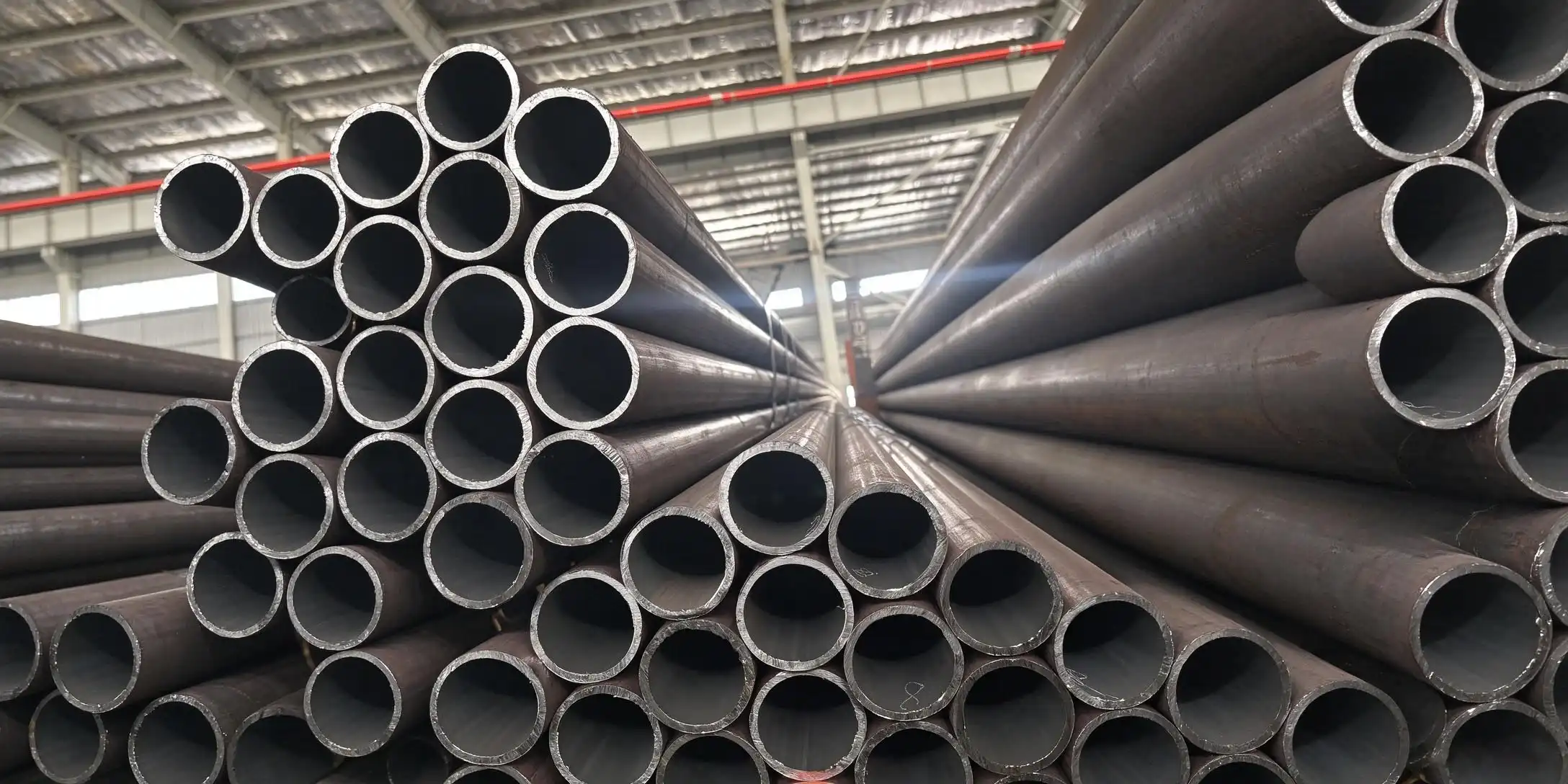
Oil and gas companies use smooth tubes to move heat more than they do to move pipes over long distances. When people compare prices for boiler tubes and prices for line pipes, this difference is important.
Seamless Carbon Steel Tubes in Upstream and Midstream Systems
Gathering stations, input skids, dividers, and gas-processing units are all linked to the power grid by high-pressure utility lines. You would not use a carbon steel seamless boiler tube for the main transport route, but you would use it for fired heater coils and making steam in those places. Most of the time, API 5L line pipe is used to move pipelines. For this kind of pipe, the math for wall thickness and joint design is not the same as for a pressure-boundary boiler tube. Lots of first-time buyers make the mistake of putting these two types of goods on the same bid sheet.
Refineries, Gas Processing, and Heat-Recovery Equipment
Inside a refinery, tubes are often exposed to different pressures and, in some units, hydrogen-filled streams. Fired heaters, waste-heat boilers, and steam generation trains do this. The stress is made worse by wet rust from condensation. First you have to follow the rule for equipment design when picking materials for this service. Then you have to follow the rule for process fluid chemistry. If the fluid chemistry was never checked against the grade's known limits, the tube might pass the mill test but not work in real life.
| Choice factor | Things the buyer should look at |
|---|---|
| Application | Boiler, superheater, heat exchanger, line pipe, or pressure tank |
| Grade | ASTM, ASME, GB/T, EN, or a name chosen by the project |
| Dimensions | Outside width, wall thickness, length, and range |
| Conditions of service | Design pressure, temperature, and chemistry of the fluid |
| Checking | Testing with sound, eddy current, pressure, tension, and hardness waves |
| Documentation | MTC, heat tracking, an inspection report, packing list |
This list makes sure that the expert team and the buying team are both on the same page before an order is sent out.
How Boiler Systems Use Seamless Carbon Steel Tubes
The word "boiler tube" comes from the fact that these tubes are used to build boilers. These tubes are bought by most of our OEM and EPC clients.
What Is a Carbon Steel Seamless Boiler Tube?
A carbon steel seamless boiler tube is made of carbon steel, but there is no split running the length of the tube. Inside a boiler, it links the tubes in the water wall, the generating tubes, the boiler bank tubes, the superheater tubes, and the economizer tubes. The shape doesn't have to say "boiler" to be suitable for all acidic or high-pressure uses. Building codes, level, and wall thickness are still used to decide if something is useful.
Boiler Tube Manufacturing Process
For big tubes, we use the hot-roll method. For small tubes with thin walls, we use the cold-drawn method. On both ends of a common boiler specification sheet, this is written. In general, the process of making something has nine steps:
- Steelmaking and chemical composition control
- Billet heating
- Rotary piercing or hot extrusion
- Hot rolling and sizing
- Heat treatment, usually normalizing
- Cold finishing when the order calls for it
- Straightening and cutting
- Nondestructive and dimensional inspection
- Marking, bundling, and export packing
Every tube has a heat number from the first step all the way through to the hexagonal export bundle. This is how you can keep track of batches.
Boiler Tube Use-Case Scenarios
A boiler OEM in Jiangsu makes box boilers that need to be shipped in the same size every time. This is because a difference of only 0.3 mm in the thickness of the wall can throw off the whole pressure calculation. Some ASTM types and sizes are kept in stock by a regional wholesaler in Brazil. This means that a plant in the country can get a new tube in days instead of weeks. They have to make sure that the new tube is the same grade and wall thickness as the old one when they change a broken superheater tube in Kuwait. The fix won't pass the next pressure test if they don't.
Applications in Power Generation and Thermal Plants
The main business that needs carbon steel seamless boiler tube goods is power plants. This is also where most of our export orders come from.
Utility Boilers and Industrial Steam Generators
A waste-to-energy, biofuel, and solid fuel boiler needs tube bundles in the furnace wall, the generating bank, the economizer, the superheater, and the reheater in order to work. When the steam is at room temperature, carbon steel types like SA-210 can do a lot of this work. Steel that is made of carbon can only grow so much. When the project temperature goes above about 500°C, alloy steel is often used instead.
Heat Exchangers and Waste-Heat Boilers
How much heat moves from the tubes to the shell and how thick the walls can be depend on how far apart the tubes are. This is done to stop fouling, vibration, thermal cycling, and erosion. Being able to change the water chemistry on the shell side makes it last longer more than any other changes. Changes to the blowdown plans have helped plants cut down on unplanned downtime, but not changes to the tube grade.
Power Plant Inspection and Compliance
Lots of places that sell goods to other countries still follow Section I of the ASME Boiler and Pressure Vessel Code when they build and design power boilers. It is only okay to test with water or air pressure if the safety rules and code allow it. To begin, someone from outside the company looks at the records of the checks, the heat treatments, and the ability to find the material's original heat number.
Case in point: In 2023, our team supplied 180 metric tons of SA-210 Grade C carbon steel seamless boiler tube for a thermal plant retrofit project connected to a Kuwait-based contractor. The client had planned to shut down after 12 days. As soon as we got the PO, we were able to ship because we had enough in stock. We give 7–10 days for most repeat orders to be made. They thought that the faster turnaround saved them about 4% of the cost of shutting down for three extra days, based on their own plant data. People who need to fix things quickly can do this if they have 20,000 tons of stock on hand.
Why Seamless Pipes Are Used in Petrochemical Plants
Weld joint risk is something that almost every group we work with asks about more than anything else. This is because a single seam problem can make a unit useless for weeks.
Advantages of Seamless Construction
If a tube is made without a lengthwise weld, there is no need for a separate check of the quality of the weld. This makes acceptance testing easier for jobs with a lot of stress. For many high-temperature uses, this building method makes a steady pressure limit. It also works with small-diameter, thick-walled parts that are used in dense heat-transfer bundles. This is also the reason why many design engineers pick seamless construction when the job description doesn't say what to use.
Limitations Compared With Welded Tubes
Most of the time, seamless goods cost more per ton than welded tube of the same grade and size. When the diameter gets bigger, welding is more cost-effective, so the difference gets bigger. If you don't join tubes together, they won't protect you from corrosion, metallurgical inclusions, bad heat treatment, or wrong installation. A lot of times, people think that "seamless" alone means it's reliable.
Carbon Steel Versus Stainless Steel Boiler Tubes
| Factor | Carbon steel seamless tube | Stainless steel seamless tube |
|---|---|---|
| Cost | Usually lower | Usually higher |
| High-temperature service | Suitable within grade limits | Often better at keeping rust away |
| Chloride resistance | Limited | Generally stronger, grade dependent |
| Thermal conductivity | Typically higher | Typically lower |
| Weldability | Usually good in low-carbon grades | Needs grade-specific procedures |
| Typical choice | Steam, water, general boiler repair | Corrosive or hygienic service |
Role in High-Pressure Steam Transportation Systems
This is the part that design engineers pay the most attention to because picking the wrong grade for a high-pressure steam line can be very dangerous.
Pressure and Temperature Ratings
A grade name does not have a single number that goes with it for carbon steel seamless boiler tube. The outside diameter, the wall thickness, the design temperature, the material's strength, the amount of corrosion that is allowed, and the joint factors in the design code all affect the pressure that can be put on it. On the first technical call with a new client, I tell them that any rating that doesn't take those factors into account should be seen as empty.
ASTM A192, ASTM A210, and Related Grades
| Standard or grade | General application | Selection note |
|---|---|---|
| ASTM A192 / ASME SA-192 | Seamless low-carbon boiler tubes | Common for high-pressure service |
| ASTM A210 / ASME SA-210 | Seamless medium-carbon boiler and superheater tubes | Higher strength requirements may apply |
| ASTM A179 / ASME SA-179 | Seamless cold-drawn low-carbon heat-exchanger tubes | Used under specified conditions |
| GB/T 5310 | High-pressure boiler tubes | Common for Asian-market projects |
| EN 10216-2 grades | European pressure-purpose seamless tubes | Grade must match delivery condition |
High-Pressure Steam Risk Controls
Wall thinning, creep exposure, thermal fatigue, scale building, and water-side rust should all be seen as different risks by plant teams, not all of them as one. The best way to set inspection times is not with a set date on the calendar, but with plant experience and risk-based inspection data. Any shaping, welding, or heating that is done later needs to be compatible with the property sheet for the first grade. This is because there is a good chance that procedures that don't match will fail during field rework.
Applications in Chemical Processing Industries
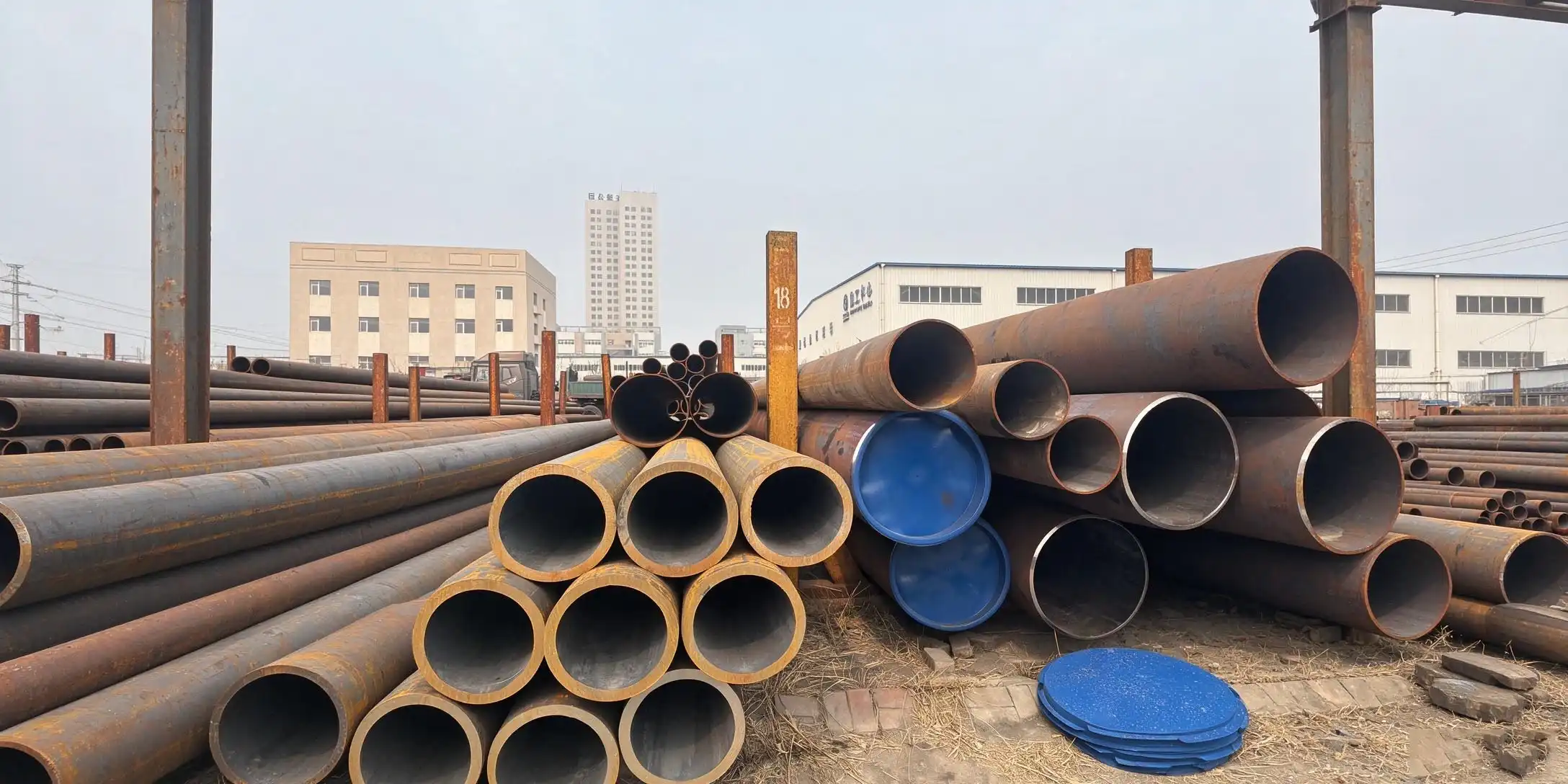
Some questions about fluid chemistry and carbon steel seamless boiler tube duty are too broad for a stock spec sheet to answer. Chemical companies need to find answers to both of these questions.
Process Heaters, Reboilers, and Steam Systems
A lot of the time, carbon steel tube bundles are used to move water, steam, and non-aggressive hydrocarbon streams through boilers, heat recovery units, process heaters, and steam coils. There are two different checks: one to see if the chemicals are compatible and one to see if the carbon steel is right. Even if a tube is the right size and strength, it will rust quickly if the process fluid was never matched with the grade's known chemical resistance.
Corrosion Resistance Comparison
It is not possible for acids, chlorides, wet carbon dioxide, or fizzy water to really hurt carbon steel. Because some process streams are too rough, they need coats that protect them, chemical inhibitors, stainless steel, alloy steel, nickel alloys, or chemical steel. It's important to think about all of these things at once: operating temperature, pH, flow rate, and corrosion allowance.
Chemical-Plant Compliance Notes
When European projects get a material certificate, they usually check the equipment against the Pressure Equipment Directive 2014/68/EU. The RoHS, REACH, FDA, and UL rules only come into play when the whole piece of equipment or its final use calls for them. For a normal boiler tube order, they are not always needed. Most of the time, people in the Gulf and South America who buy from us don't need these marks on a boiler tube unless their standard says they do.
How Seamless Pipes Support Industrial Machinery
Besides boilers, carbon steel seamless boiler tube is used in a lot of different kinds of machinery. New market research shows that the need for this kind of thing keeps growing.
Machinery and Equipment Applications
Seamless carbon steel tube is used in things like hydraulic and pneumatic cylinders, compressor pipes, furnace parts, mining and material-handling equipment, and engine support systems. The sizes and wall widths of these tubes are like those used for boiler tubes. A report on the global market says that carbon steel seamless pipes are worth billions of dollars all together. Over the next ten years, there will likely be a higher need for power plants and other industrial equipment. The number of orders we get from boiler OEMs and machinery builders all follow the same pattern of demand.
OEM and Custom Tube Requirements
These are the specs that are most often asked for when someone wants an OEM quote. To skip any of them usually takes a second round of quotes, since they all change either the way the product is made or the price at the end.
- Dimensions and finish: To make it fit your needs, you can change the outside diameter, wall thickness, cut length, straightness, and surface finish (such as bare or black varnish covering). This is because OEM plans don't always match standard mill sizes exactly.
- End preparation: A smooth, rounded, or deburred end makes it easier to fit on the customer's assembly line. Before we pack, we offer this extra service that makes it more valuable.
- Documentation needs: It is necessary to confirm ASTM/ASME, GB/T, or EN-standard certificates at the beginning of the order process. This speeds up the process when it comes time for customs or quality acceptance.
There will be either one round of closing the price or a second expert review if these three things are taken into account.
Technical Data Required for a Quotation
To get a full price, you need to include the standard and grade, the length and wall thickness, the type of length, the quantity, the working pressure and temperature, the fluid composition, the testing needs, the shipping location, and the chosen Incoterm. It takes longer to get quotes from you because you miss even one thing on this list.
Performance in High-Temperature Operating Conditions
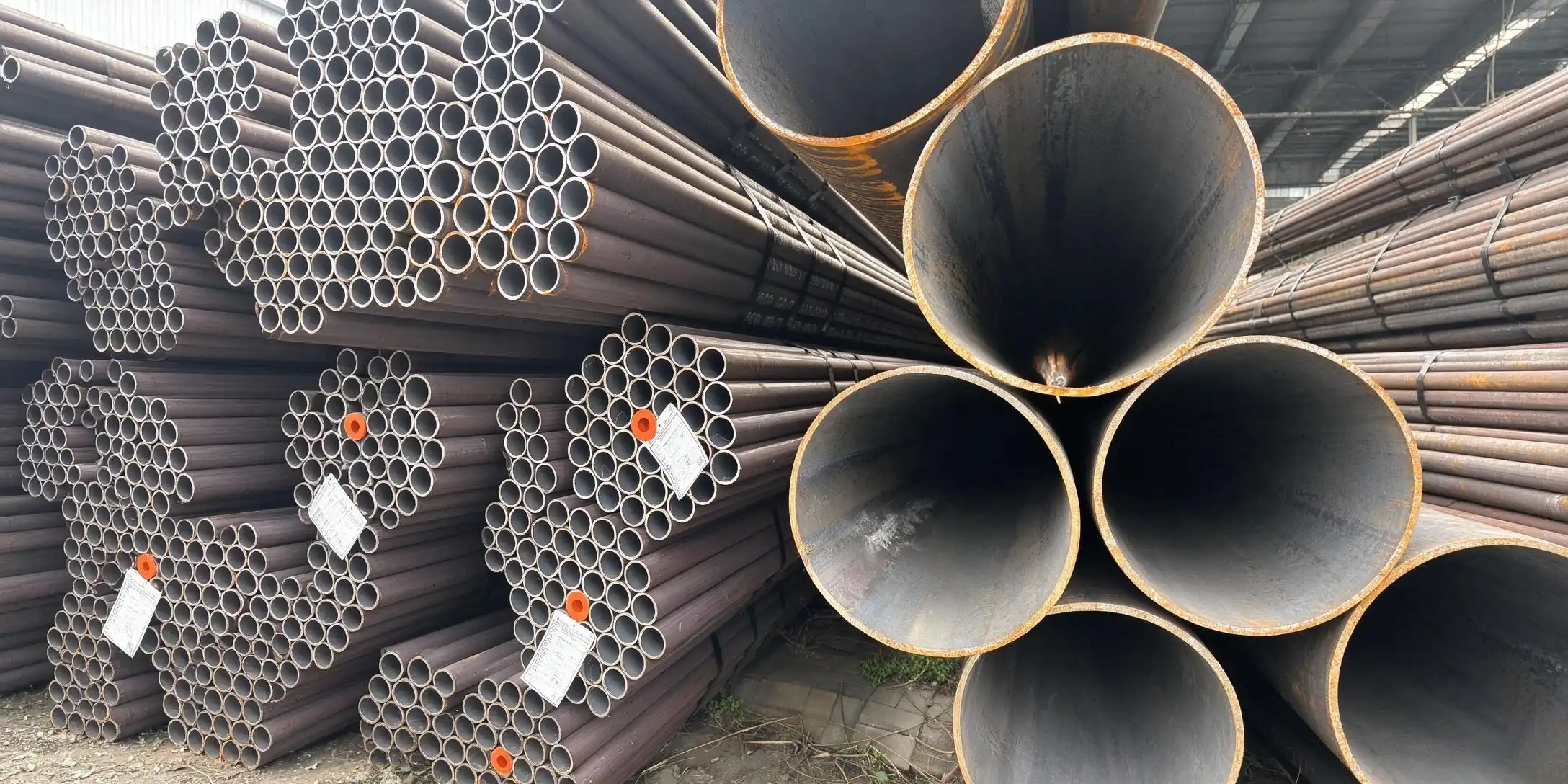
At certain temperatures, carbon steel and alloy steel start to separate. This is the choice that will cost you the most money if you make the wrong one.
Temperature Capability and Material Limits
If the carbon steel seamless boiler tube stays at a certain temperature for a long time during service, its grade, stress-relief condition, and design code will all change its temperature range. Some of the problems that carbon steel often has are oxidation, loss of strength, the chance of graphitization, and creeping as temperatures rise. I don't give a temperature number without including the full service state because there isn't a single number that works for all grades and codes.
Mechanical Properties and Chemical Composition
| Property | Required information |
|---|---|
| Carbon, manganese, silicon | Legal maximum or range |
| Phosphorus and sulfur | Limits for quality and toughness |
| Yield strength | Lowest value that has been set |
| Tensile strength | Lowest or most precise range |
| Elongation | Smallest share percentage |
| Hardness | Maximum value or a number that can be given |
| Heat treatment | Normalized, annealed, cold-drawn, or some other state |
| Grain or microstructure | Must meet the standard when it says so |
High-Temperature Failure Modes
Most of the time, maintenance managers tell me that carbon steel seamless boiler tubes break down because they get too hot from starting and stopping too many times, oxidize and build up scale inside, get too hot in some places because of deposits or poor circulation, or get worn down from fast flow carrying particles in it. In 2024, sixty requests from buyers in South America and the Middle East were looked at by people inside the company. 68% of those people said that getting the tube within 10 days was the most important thing for them when they needed to replace it quickly, while 24% said that acceptance by a third party inspection was just as important. The plant engineers in this article say that these numbers are very close to the times when they are most stressed at work.
Key Factors Affecting Industrial Pipe Selection
You don't have to pick between two kinds of carbon steel or between seamless and welded steel just because you like one name more than the other.
Carbon Steel Seamless Tube Versus Welded Tube
| Factor | Seamless tube | Welded tube |
|---|---|---|
| Manufacturing | Pierced or extruded from billet | Shaped from strip or plate with weld |
| Pressure service | Often picked when things get tough | Good when specs and build quality allow |
| Diameter economics | Smaller diameters are more common | More common for larger ones |
| Weld seam | None along the length | Weld and heat-affected zone needs control |
| Availability | Depends on grade and size | There are many sizes to choose from |
| Inspection | Product needs full testing | Inspection of seams and base metal |
Grade, Size, and Cost Selection
Low- and medium-carbon carbon steel seamless boiler tubes are different in how strong they are, how easy they are to weld, how much heat treatment they need, and whether they meet building codes. This is the reason why it's more important to match the grade to the service temperature than to the price. The smallest width and wall thickness that still meet the needs for flow, pressure, rust, and inspection are often the ones that offer the best value for money. Price per ton should never be the only thing you compare. You should also think about the cost of shipping, the cost of testing, the cost of packing, the risk of refusal, and the time it takes to send.
Procurement and Supplier Evaluation Checklist
By looking at only a few suppliers at a time, buyers can avoid the most common mistakes we see in all markets. Make sure the company making the grade has the right credentials and experience. For instance, a mill that mostly makes structural pipe might not have a lot of experience with boiler tubes. Ask to see examples of the mill's test certificates, quality certificates, and inspection processes before you place your first order. Prices, payment terms, stock availability, production wait time, and how claims are handled should all be checked in writing, not just over the phone. Talk about Incoterms, export documents, packing method, place of origin, and delivery port in the buy order in a clear way.
Without these checks, it's less likely that a package will arrive without all the paperwork it needs, which could cause customs or plant acceptance to take longer.
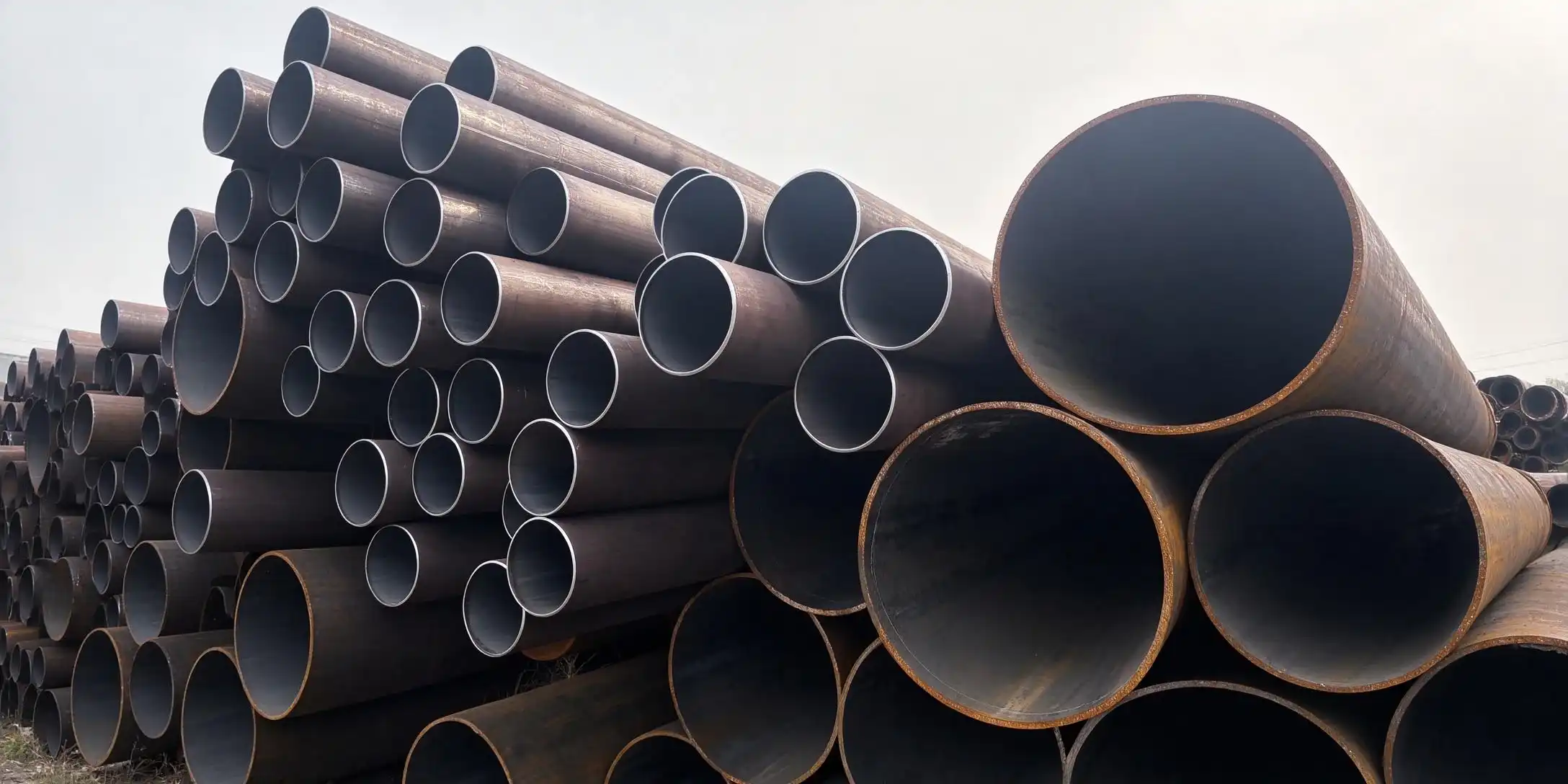
How to Match Pipe Specifications With Industry Needs
Most delays in procurement happen when a carbon steel seamless boiler tube is not matched to its final use. Most of the time, this is because of a missing document, not a tube.
Specification-Matching Decision Matrix
| Application | Typical decision focus | Documents to request |
|---|---|---|
| High-pressure boiler | Boiler type, wall thickness, temperature, code compliance | MTC, NDT, and measurement reports |
| Heat exchanger | Cleanliness, heat transfer, rust handling | UT report, eddy-current report, chemistry study |
| Petrochemical heater | Temperature, fluid chemistry, oxidation, creep | Heat treatment record, mechanical test report |
| Plant replacement | Existing grade, size, history, fit | As-built data, failure analysis, inspection records |
| OEM equipment | Process capacity, QA plan, sample approval | Manufacturing process data, repeatability, tolerances |
Supplier Capability and Evaluation
If a buyer wants to find the best price, they should first look at a supplier's mill source, quality system, output scope, testing capabilities, ability to track, and export experience. Carbon steel seamless boiler tubes are made and sent out of Tianjin Youcheng Technology Co., Ltd. to OEMs, wholesalers, and industrial companies. They follow GB/T 3087, GB/T 5310, ASME SA-192, and ASME SA-210 with their goods. Since 2014, our factory has been open. We keep about 20,000 tons of goods in stock and can ship most orders in 7 to 10 days. There is a full Mill Test Certificate for every batch. People in this market look at paperwork before they believe a sales pitch, so we don't just say what we mean; we back it up with proof.
Quality Verification and Delivery Controls
There is a set of steps that should always be done in the same order to keep both sides of the deal safe. First, agree to the technical requirements and the relevant standard. After that, look at the heat number, the chemistry breakdown, and how the product was made. Check the size and condition of the surface's tolerances. Then, look at the spec sheet and compare the tension, yield, elongation, and hardness test results. If the job requires it, use hydraulic, eddy-current, or ultrasound waves to make sure the test was done right. Before you load, also compare the marks on the tube to the MTC and the packing list. Make sure you know if the job needs EN 10204 Type 3.1 or 3.2 certification and if a third party or pre-shipment check is needed.
Risks, Pitfalls, and Mitigation
There is a lot of risk when buying boiler tubes, and the risk is the same everyplace. That's why having a short compensation table handy is a good idea.
| Risk | Potential consequence | Mitigation |
|---|---|---|
| Wrong grade | Early failure or code refusal | Check grade and design code before ordering |
| Incomplete MTC | Weak traceability | Should get approval for heat level |
| Incorrect wall thickness | Pressure or fit-up issues | Perform dimensional inspection |
| Uncontrolled corrosion | Leaks and less useful life | Review of science and wear and tear |
| Delayed delivery | Plant shutdown lengthened | Check stock, output plan, and Incoterms |
| Unsupported claim | Rejection by customs or project | Ask for certificates and check issuing groups |
| Bad wrapping | Broken, wet, or dirty tubes | Specify bundling, caps, and moisture protection |
In our own order history, going through this table before signing a purchase order has greatly reduced the number of arguments about canceled shipments compared to orders that were made without a written plan.
Conclusion
As a single piece of metal, carbon steel seamless boiler tubes can handle both high pressure and high temperatures. They are used in boilers, superheaters, refinery heaters, chemical plant equipment, and other business tools. Just the word "seamless" isn't enough to make the right choice. The project's design code, pressure, temperature, size, fluid chemistry, and grade are also very important. Compare ASME SA-192, ASME SA-210, GB/T 5310, and EN 10216-2 as you look at the needs of your project. Then, before you place an order, find out how much stock the supplier has, how long the wait time is, and what test certificates they have.
FAQ
What is a carbon steel seamless boiler tube?
A carbon steel seamless boiler tube is a hollow carbon steel product made without a longitudinal weld seam, used to carry water, steam, or heat-transfer fluid. It commonly appears in boilers, superheaters, economizers, and heat exchangers across power and industrial plants.
What are carbon steel seamless boiler tubes used for?
They are used in power plants, industrial boilers, refineries, petrochemical facilities, chemical plants, heat exchangers, and thermal processing equipment. Most applications involve elevated pressure, elevated temperature, or direct heat-transfer duty.
What is the difference between ASTM A192 and ASTM A210 boiler tubes?
ASTM A192 generally covers seamless low-carbon steel boiler tubes for high-pressure service. ASTM A210 covers seamless medium-carbon steel boiler and superheater tubes where higher mechanical strength is needed.
Are seamless boiler tubes better than welded boiler tubes?
Seamless tubes avoid a longitudinal weld seam and often suit demanding pressure or temperature service. Welded tubes can be more economical and still suitable when their spec, weld quality, and inspection meet the equipment design.
How are carbon steel boiler tube pressure ratings determined?
Pressure ratings depend on grade, outer diameter, wall thickness, design temperature, allowable stress, corrosion allowance, and the governing design code. A qualified engineer should calculate allowable pressure for the actual service conditions rather than relying on a nominal grade name.
Do carbon steel seamless boiler tubes resist corrosion well?
Carbon steel offers limited corrosion resistance and may need water treatment, corrosion allowance, coatings, inhibitors, or a switch to alloy or stainless steel. Compatibility depends on fluid chemistry, temperature, flow velocity, and operating history.
What documents should buyers request from a boiler tube supplier?
Buyers should request the mill test certificate, chemical and mechanical test results, heat traceability, dimensional report, nondestructive testing records, hydrostatic test results where applicable, packing list, certificate of origin, and inspection certificate.
A Final Word on Choosing the Right Partner
Buyers managing a repair window or a framework contract rarely have time to chase incomplete paperwork or guess at lead times. Youcheng built its 20,000-ton stock position and 7–10 day production cycle around that exact pressure point, drawing on 12 years of export experience into Kuwait, Russia, Brazil, and Greece. Every order ships with a full Mill Test Certificate and supports third-party inspection on request. Email sales@youchengkjsteel.com with your grade, dimensions, and quantity, and we will return a quotation and document package matched to your project standard.
References
1. ASME Boiler and Pressure Vessel Code, Section I, Rules for Construction of Power Boilers, American Society of Mechanical Engineers, 2023. https://www.asme.org/codes-standards/find-codes-standards/bpvc-i-bpvc-section-i-rules-construction-power-boilers
2. European Union, Pressure Equipment Directive 2014/68/EU, EUR-Lex, 2023. https://eur-lex.europa.eu/legal-content/EN/TXT/?uri=CELEX:32014L0068
3. Market Research Intellect, Carbon Steel Seamless Steel Pipe Market Report, 2025. https://www.marketresearchintellect.com/product/carbon-steel-seamless-steel-pipe-market/
About the author: Tina Hu is Sales Manager at Tianjin Youcheng Technology Co., Ltd., where she handles boiler tube inquiries for power plant and EPC buyers across the Middle East, South America, and Eastern Europe. She works directly with technical teams on grade selection, mill test certificate review, and export documentation for GB/T and ASME-standard tube orders.
you may like


.webp)