Understanding RHS, SHS, and CHS Steel: Types, Applications, and Specifications
Buyers sourcing structural tube for solar racking, fencing, or steel frame projects need a straight answer before they sign a purchase order. Carbon SHS/RHS stands for square and rectangular hollow section steel, and CHS stands for circular hollow section. This guide explains how these three shapes differ, which standards apply, how weight and strength are calculated, and what questions to ask a mill before placing a container order. Every section below is written to stand on its own, so a procurement manager can scan it fast and get a usable answer without digging through a full catalog.
Key Takeaways for Carbon SHS/RHS Buyers
Most of the time, when evaluating different service providers, people often prefer to see a concise version first. Here is a quick guide before the full breakdown.
- "Carbon SHS/RHS" refers to square or rectangular steel tubes with a hollow section. They are made from carbon steel strip that has been shaped and joined together.
- SHS is strong along both directions, but the RHS is stronger along the side that hits the ground first.
- People in Asia, Europe, and North America are the ones who ask for EN 10219, ASTM A500, and GB/T 6728 the most.
- Many things are made from Chinese grades Q235B and Q355B, and European grades S235 and S355 are the same. ASTM A500 Grade B is the standard that most steel tubes in the US are made to.
- Price isn't the only thing that affects the weight per meter. The outside width, height, wall thickness, and steel density are also factors.
- A mill test certificate (MTC), an inspection report from a third party, and the ability to track a heat number keep buyers from having to argue about the size and coating.
- Nine to ten days if you buy carbon SHS/RHS from a store that has it in stock. It takes 4–6 weeks to get if you order it.
The rest of the breakdown is shown by these points. It checks each part of the product to see what it is made of, how strong it is, how it meets standards, and where it came from.
What Are Carbon Steel Hollow Sections Made Of?
SHS, RHS, and CHS Definitions
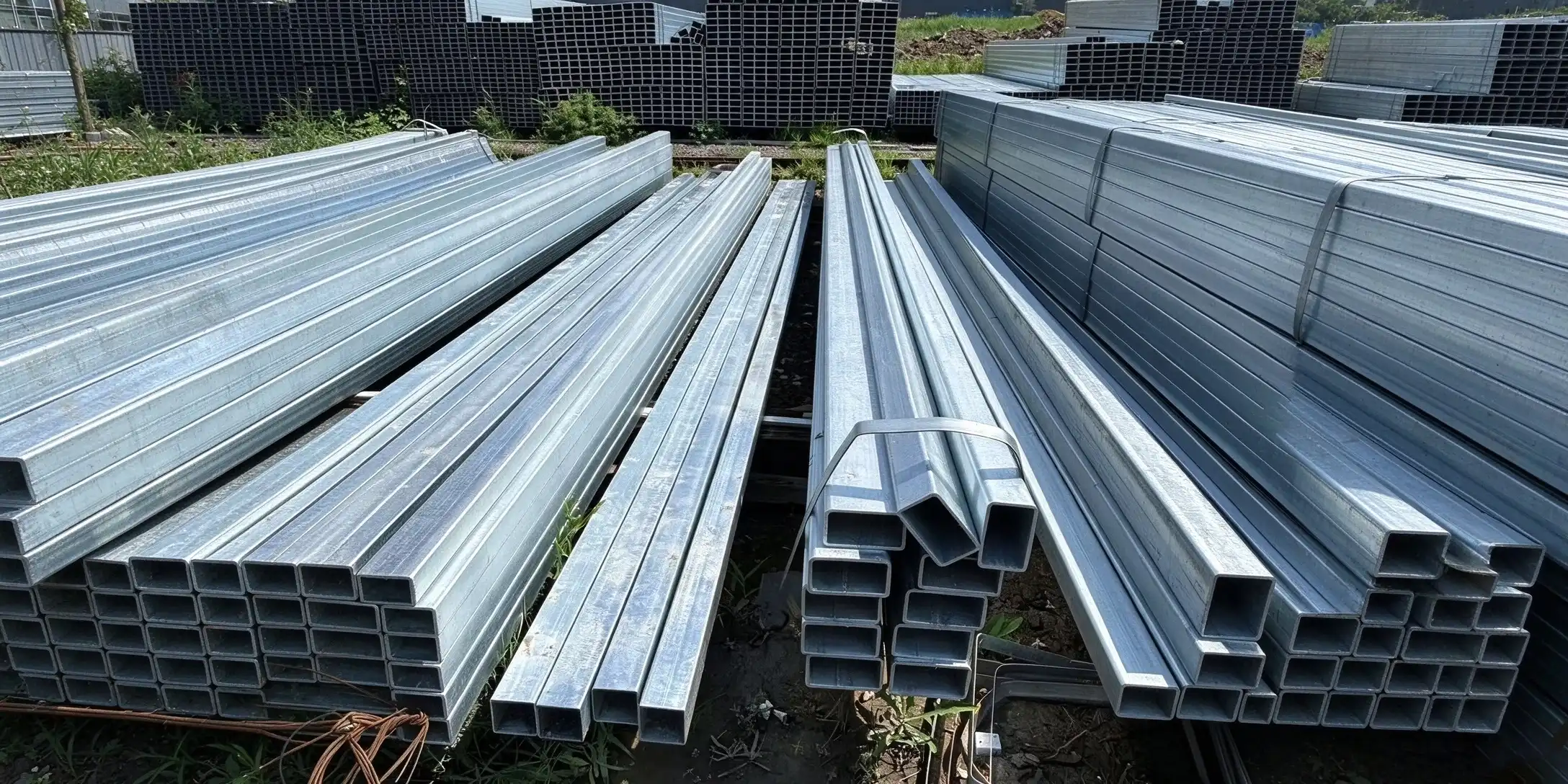
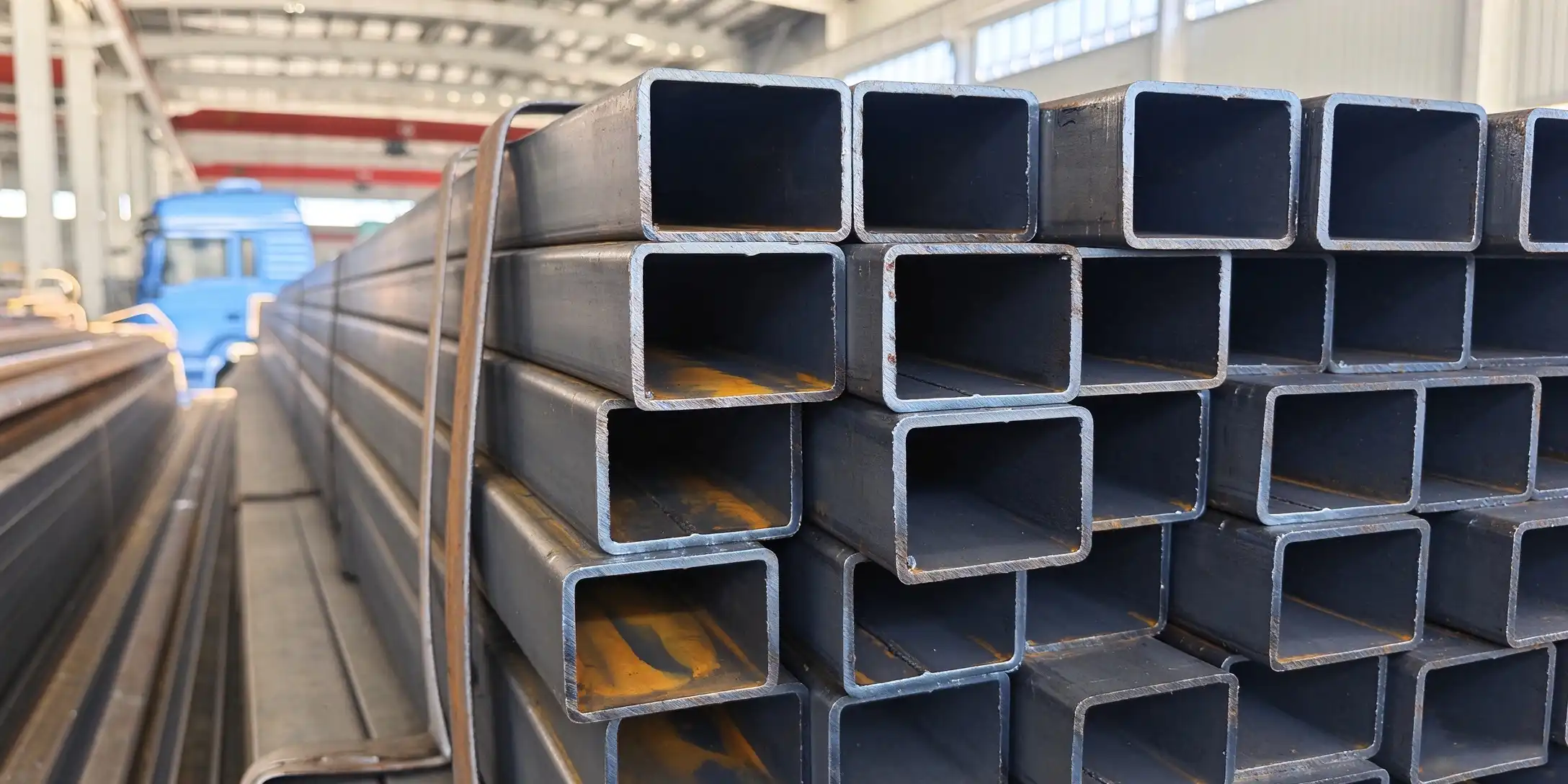
A square hollow section (SHS) has the same outside width and height. RHS is a rectangular hollow section. Its length and width are not equal, so one side is longer than the other. The CHS is a circle, which is the circular hollow section. Most people who buy structures use the term "carbon SHS/RHS" because most solar racks, building frames, and fence posts are square or rectangular. CHS is more common in work with stairs, poles, and pipes, though.
What Carbon Hollow Sections Are Not
It's not made of cast iron, stainless steel, or aluminum extrusion. Carbon makes it up. It also doesn't have any solid billets or reinforcing bars. When people buy metal, they might mix up structural tube and mechanical tube. Even though they look the same, they are not the same size, finish, or tests that are done on them before they are sent out.
Manufacturing Route Overview
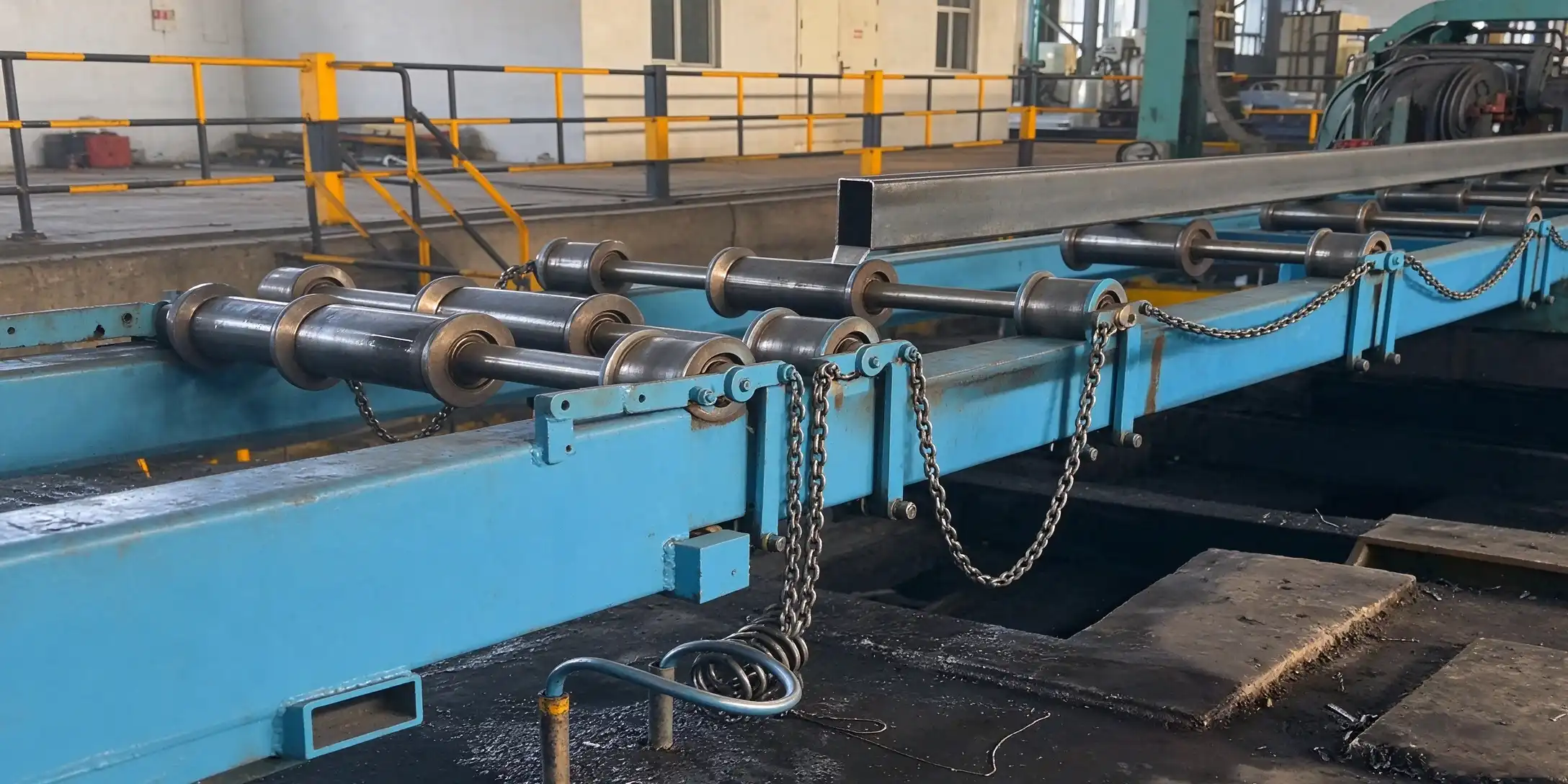
An ERW machine is used to cold-form steel strip into most of the carbon SHS/RHS that you can buy today. The process has five steps.
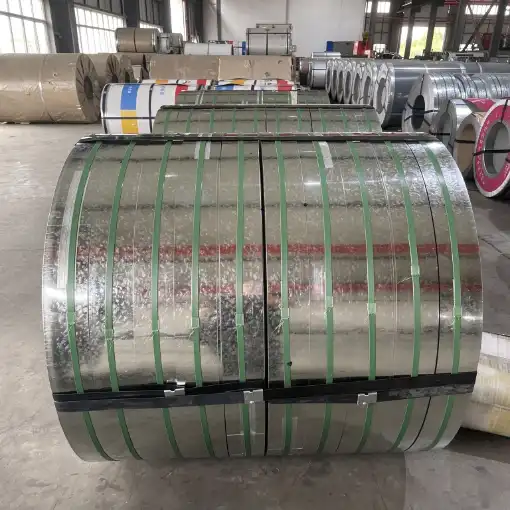
- Hot-rolled steel is unrolled, straightened, and cut into strips that are the right thickness for the tube size being made. This is done to get the coil ready.
- When the strip is "rolled," it goes through a set of rollers that shape it into a tube before it makes its last square or rectangular pass.
- In longitudinal welding, high-frequency electric resistance welding melts the seam that runs the length of the tube. The weld bead is then cut flush with the tube.
- Size and cutting: The round or square tube is checked to make sure it is the right size, then it is flattened and cut to the right length.
- If you order black bare pipe, hot-dip galvanizing, painting, anti-rust oil, or hot-dip galvanizing are used to finish the surface.
To make heavy-duty sizes, holes are poked in a solid block and it is pushed out instead of being welded. This is called seamless extruded sections. This method isn't used as often for normal structural tubes.
Key Chemical Composition of Carbon SHS/RHS Steel
Typical Chemical Elements
These are the five things that make up a carbon SHS/RHS tube: carbon, manganese, silicon, sulfur, and phosphorus. In this case, they test how it works when it is loaded and when it is being bonded. Carbon makes things stronger, but too much of it can make it hard to weld. Iron and manganese work together to make things stronger and tougher without making them harder to weld. It is important to keep sulfur and phosphorus levels low because too much of them makes things less flexible and more likely to break.
Grade Comparison Table
People who buy goods to send to different countries need to be able to quickly compare grades from different regions. In the table below, you can see the four choices that people asked for the most.
| Grade or Number | Common Market | Typical Use | Key Verification |
|---|---|---|---|
| Q235B | China, Southeast Asia, and Africa | General fences, building frames, and greenhouse frames | GB/T 6728 certificate, chemical report |
| Q355B | China, export projects | High-load solar racks and beams | Yield strength, Charpy V-notch impact result |
| S235/S355 | Europe and the Middle East | High-strength building frames and other structural work | EN 10219 or EN 10210 certificate |
| ASTM A500 Gr. B/C | US, export markets | Putting together square and rectangular tubes | ASTM certificate, tensile and yield test |
Carbon Equivalent and Weldability
Carbon equivalent (CEV) is a number that tells you how easy it is to weld steel together without leaving cracks. It's made up of manganese, carbon, and other things. On every carbon SHS/RHS heat, Youcheng keeps CEV in a fixed range. Because of this, frames that are welded on-site in hot or cold places don't usually need to be heated up. Still, a buyer should check the CEV limits against how their own fabrication shop welds, especially for welds that are automated or have a lot of rules.
Mechanical Properties of Carbon SHS/RHS Tubing
Yield Strength, Tensile Strength, and Elongation
The stress level at which the tube starts to change shape for good is known as its yield strength. This is the amount of stress a tube can handle before it breaks. How much a material can stretch before it breaks is called its elongation. One can use this to find out how simple it is to bend or punch steel.
Section Properties That Matter
How well a profile works when it's under real load depends on four traits.
- The cross-sectional area specifies how much the material resists axial force and has a big effect on the tube's total weight per meter.
- The second moment of area measures how resistant something is to bending. An RHS wall that is deeper creates a higher value on its strong axis than a SHS wall of the same weight.
- Section modulus changes bending resistance into an allowable bending stress that engineers use to figure out how to design beams.
- Torsional constant measures how resistant something is to turning. By a large margin, closed sections like SHS and RHS perform better than open sections like angle or channel.
Because its shape is uniform, SHS usually works the same way in both directions. Because RHS works better along its lower axis, engineers often turn the long side of an RHS purlin so that it faces the direction of bending in a solar racking system.
Carbon SHS/RHS Load Capacity
Carbon SHS/RHS load capacity isn't just a single number from a weight chart. It depends on the grade, the outside dimensions, the wall thickness, the length that isn't supported, the end restraint, and the type of loading, such as straight-line, bending, torsion, or a mix of these. The final number is based on buckling, link design, and corrosion margin. These calculations are done one project at a time by a structural engineer following Eurocode 3 or the AISC Specification for Structural Steel Buildings.
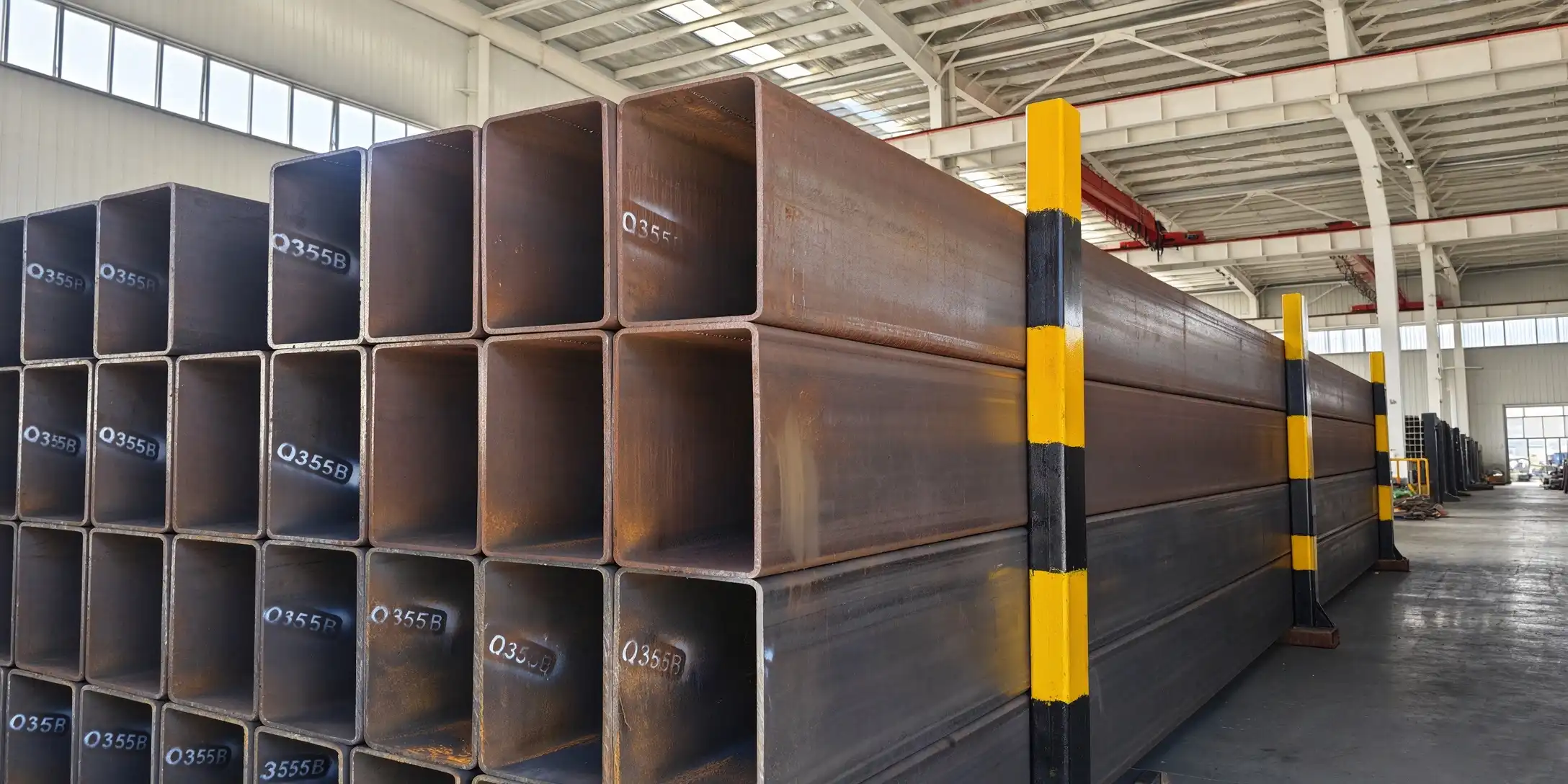
How Tensile Strength and Section Shape Affect Performance
SHS vs RHS Strength and Stiffness
It's not so much which one is "stronger" that you need to pick. It's important that the shape fits the load's direction. If you want to see what structural engineers look at first, read on.
| Criterion | SHS | RHS |
|---|---|---|
| Axial compression | Balanced in all directions | Depends on orientation |
| Bending | Equal on both axes | Stronger on the strong axis |
| Torsion | Efficient closed section | Efficient, but it depends on shape |
| Connections | Symmetrical, easy to describe | Broad face makes braces easier |
| Typical use | Columns, posts, balanced frames | Beams, rails, purlins, racking |
SHS or RHS for Solar Racking Columns?
Wind and panel weight put uniform weight on the post from all sides, which SHS can handle. This is why most solar mounting builders use SHS for straight posts. RHS is usually found in the horizontal rails that hold the panel clamps. The flat face that is wider makes the bolt pattern look better, and the axis that is deeper supports the load that bends from the wind.
SHS Compared With I-Beams
Many I-beams can bend along their main axis, but because they are open on the inside, they are weak when they twist and harder to keep water out. The shape of carbon SHS/RHS is closed, it looks better, and it has a high torsional strength, which is important for wind-twisted rack systems. You shouldn't just pick one form because it's what you're used to. Instead, you should look at the section quality, link design, cost of manufacturing, and total set weight to find the best one.
Common Grades and Standards for Carbon SHS/RHS
European Standards: EN 10219 and EN 10210
When it comes to hollow structural sections, EN 10219 covers welded sections that are cold-formed, and EN 10210 covers sections that are formed hot. Two sets of rules list grades S235, S275, and S355. A lot of the time, these grades come with impact toughness numbers like JR, J0, or J2. These numbers tell the buyer what temperature the steel can still handle impact energy without breaking.
North American Standard: ASTM A500
A500 is for carbon structural tubing that has been cold-formed, bonded, and made without any gaps. It can be square, rectangular, or round. A500 Grade B from one mill might not be the same as A500 Grade B from another. The buyer should check the grade (B or C), wall designation, corner radius, and test method.
GB/T 6728 and Other Specification Notes
Some mills in China follow GB/T 6728 when making square and rectangular cold-formed steel tubes. Youcheng also does, and it's used to approve goods for both Chinese and foreign sales. They should also check to see if their project needs CE marking, REACH review, or RoHS review. This only covers the safety of the product and its compliance with environmental laws. It does not cover the performance of the structure, so it should never be used instead of a mill test certificate. Note that for large scale export, carbon SHS/RHS must meet these technical thresholds.
Seamless vs Welded Carbon SHS/RHS Sections
Welded SHS and RHS
Most of the commercial carbon SHS/RHS on the market is made from an ERW weld from strip steel. An tester for quality pays close attention to the weld line, the radius of the corner, and the area that was heated. They do this because a bad weld bead is the main reason tubes are turned away at the destination port.
Seamless and Hot-Finished Options
It is not often that seamless tubes are used in standard structural SHS/RHS. They are more often used in heavy or pressure-based mechanical tasks. Heavy-duty sections can be made by Youcheng with seamless extrusions in sizes where the wall thickness or load needs are too high for a normal ERW line to handle.
Surface Condition Comparison
Many people want to know which surface finish is best for their temperature and budget because they cost different amounts and last different amounts of time. In the table below, you can see the four situations that people ask for the most.
| Product Condition | Advantages | Things to Look For |
|---|---|---|
| Cold-formed welded | Wide size range, efficient output | Corner properties, weld quality |
| Hot-finished | Fits certain structural codes | Delivery limits, tolerances |
| Black bare pipe | Lower cost, easy to fabricate | Needs treatment before outdoor use |
| Hot-dip galvanized | Strong corrosion resistance | Coating thickness, weld repair spots |
Industrial and Solar Applications of Carbon SHS/RHS
Solar Mounting and Racking Structures
Contractors that build solar farms and people who make racks are two of the biggest uses of carbon SHS/RHS in the world. Many tens of thousands of linear meters of square and rectangular tube are used for posts, purlins, and bracing members in a ground-mount array. Late 2025 data from the steel market showed that the price of this tube was still going up because of high demand for hot-rolled coil. This has a direct effect on the price of tube for solar projects.
A Field Case: Vietnam Solar Bracket Order
In southern Vietnam in 2024, a medium-sized company that made solar brackets stopped using a local trade company and started getting its parts straight from mills. The company lost eight working days for every order that had to wait for mixed-origin stock to be repackaged. The lead time dropped to nine days door-to-port when they moved to a factory-direct carbon SHS/RHS supply plan with stocked goods. The landing cost per ton also dropped by about 7% after trade markups were taken out. The fabricator's purchasing manager said on a call to review suppliers, "We stopped worrying about whether the next container would match the last one's zinc coating. That consistency mattered more than a one-time discount." This is what often happens when a buyer skips a point of sale and checks mill test certificates directly against production heat numbers.
OEM and Machinery-Frame Applications
Straight cuts and clean weld lines are more important than the maximum strength grade for machine bases, conveyor frames, and machinery structures. Many times, reliable accuracy is more important to OEM buyers than a better material that they don't need.
Fencing, Greenhouse, and Distribution Applications
People who sell fence posts, greenhouse frames, and other building materials need a variety of sizes, packaging that saves space, and quick restocking more than they need custom metalwork. Many times, these buyers make more small purchases spread out over the course of a year.
Automotive and Equipment Frame Use
Aside from frames for trailers, carbon structural tube is also used to make racks for assembly lines and structures for workstations in auto plants. But parts of cars that are very important for safety need more than just standard structural certification. For each customer, they need to be checked, the heat must be able to be tracked, and records of the welding process must be kept.
Application Selection Checklist
The buyer should talk to their expert or project spec about these things before placing an order.
- Type and amount of load—axial, bending, wind lifting, or a mix of these—this tells us whether the structure is facing SHS or RHS.
- In terms of span and length not supported, parts on the RHS are lower on the bending axis when the span is longer.
- If you live near the water or somewhere wet, galvanized finish is usually better because it doesn't rust when it's exposed to the environment.
- For a project to be approved, you need a mill test license, a review by a third party, and the ability to track the heat number.
- Deliveries are limited by things like how easy it is to get to the port, how containers are moved, and how far they can travel on land to get to their end destination.
These checks write down the size, grade, and finish before the purchase order is confirmed. Most fights don't even start because of this.
Key Benefits and Cost Factors for Carbon SHS/RHS
Structural and Fabrication Benefits
There are a few main, helpful reasons why carbon SHS/RHS should be used in building design.
- High strength-to-material-cost ratio compared to open sections that can hold the same amount of weight. This keeps the price per ton low for solar and building projects that need a lot of material.
- Closed-section torsional stiffness—The ability of a closed piece to handle bending loads better than an angle or channel of the same weight.
- Fabrication compatibility means that the maker can cut, punch, curve, and join it with the tools they already have, without having to buy any extra ones.
- Broad global availability—Access to GB/T 6728, EN 10219, and ASTM A500 standards all over the world, so a buyer can meet the needs of their local code without having to switch supply lines.
That's the main reason why square and rectangular tubes are used instead of solid bar or open channel sections for things like solar panels, fences, and general building frames.
Weight, Price, and Total Cost Drivers
For most buyers, the price per ton is the most important thing, but it's not the only thing that matters. The steel grade and the market index as a whole decide the starting price. Mysteel's market research showed that changes in supply will have an impact on the price of hot-rolled coil until late 2025. This has a direct link to the prices of carbon SHS/RHS mills. The price of the container can change before it even gets to the port depending on the outside sizes, wall thickness, short or long cuts, surface finish, requests for testing and certification, packaging, and the Incoterm chosen (EXW, FOB, CIF, or DDP).
SHS/RHS Weight Calculation
People who want to buy tubes don't have to wait for a mill price to guess how much they weigh. It takes into account the outside width, outside height, and wall thickness.
Measure the cross-sectional area and steel density to find out how much something weighs per meter.
The size of a rectangular hollow section area is about: Area ≈ 2t(B + H − 2t)
In millimeters, write down how wide the outside is (B), how tall it is (H), and how thick the wall is (t).
For steel that weighs 7,850 kg/m³, we get: Weight (kg/m) ≈ Area (mm²) × 0.00785
Some things that affect the final mass are the corner radius, the production tolerance, and the weight of the coating. This method only gives a rough idea for planning, not a real number that can be used for bills.
How to Select and Source the Right Carbon SHS/RHS Supplier
SHS, RHS, or CHS Decision Checklist
| Requirement | Recommended Starting Point |
|---|---|
| Balanced column or post loading | SHS |
| Strong-axis bending | RHS, oriented with depth facing the load |
| Round appearance or symmetry | CHS |
| High torsional efficiency | Closed section; compare all three shapes |
| Easy flat-face bolted connection | SHS or RHS |
| Exposed corrosive environment | Hot-dip galvanized or coated section |
Dimensions, Tolerances, and Technical Specification
A full technical definition should include the outside width and height, wall thickness, cut length and its range, corner radius, straightness, surface condition, grade, standard, and finishing need. Youcheng can make squares and rectangles with sides that are 20x20 mm to 600x600 mm and 20x40 mm to 500x300 mm. The wall thickness can be anywhere from 1 mm to 30 mm. So, they can get most of what they need for solar racks and fences from just one place. This consistency is vital for sourcing carbon SHS/RHS successfully.
Quality Verification Sequence
A strict order of inspections keeps every one safe and makes sure that disagreements don't get in the way of shipping.
- Check that the grade, standard, and size listed on the order exactly match what was given.
- Compare the mill test certificate to the heat number that is stamped on the bundle.
- Measure the outside, check the wall thickness, and make sure the wall is straight compared to the agreed-upon limit.
- Look at the weld seam and the finish on the whole surface before you load it.
- If the grade asks for it, look at the data from the impact test as well as the tensile, yield, and elongation tests.
- Before you seal the box, print out packing lists and bundle markings and compare them to the certificates.
Supplier Capability Evaluation
Buyers should look at more than just the price sheets when they compare trade companies or mills. They should also look at how much they produce. Youcheng, a company based in Tianjin, has been making steel and sending it abroad since 2014. They have lines for cutting, rolling, anticorrosion, and nondestructive testing to help them. The business always has about 20,000 tons of stock on hand. For carbon SHS/RHS, this means that the normal wait time is only 7–10 days, not the 4–6 weeks that a made-to-order mill slot needs. As part of their cutting services, they can make straight cuts, clean up holes, punch and bend metal. This means that the people who make solar racks don't have to do all of this work. Each order comes with a Mill Test Certificate. You can also have SGS or BV check it for you if you'd like to.
Request a Quote on Your Next Carbon SHS/RHS Order
You should look for a new provider before the next order goes out if the one you have now can't write down the wait time, mill test papers, or dimensional tolerance. Carbon SHS/RHS from Youcheng is used for solar mounting, fencing, and structural steel projects in the Americas, Europe, the Middle East, and Southeast Asia. Youcheng is a direct manufacturer. The steel can be cut, punched, and galvanized all at the same time. We'll get back to you with a price in one business day after you email your specs to sales@youchengkjsteel.com.
Procurement Terms and Logistics Questions
A customer should get written answers about the min order quantity (MOQ) and mixed-size order policy, the sample and approval process, the difference between the production lead time and the stock lead time, the payment terms, Incoterms, the paperwork that needs to be brought to the port, and the right way to pack for ocean freight before signing a framework agreement. There are claims of dent and rust that often happen with cheaper packaging on long transport routes. You can avoid these claims if you use steel-strapped bundles and seaworthy export packing.
Risks, Pitfalls, and Mitigation
People who have bought things before can have problems if the right checks aren't in place.
| Risk | Potential Consequence | Mitigation |
|---|---|---|
| Wrong grade or standard ordered | Design or project approval failure | State standard and grade clearly on the PO |
| Nominal wall thickness assumed as minimum | Lower load capacity than expected | Confirm minimum versus nominal thickness |
| Missing heat-number traceability | Difficult warranty claims | Require traceability on every bundle |
| Underestimated corrosion exposure | Shorter service life | Specify coating type and thickness upfront |
| Unverified mill certificates | Compliance risk on handover | Request third-party inspection before shipping |
| Poor export packaging | Dents, rust, mixed bundles at port | Approve packaging and marking before loading |
Conclusion
Carbon SHS/RHS is a group of structure tubes that are square or rectangular. They are used to make solar panels, building frames, fences, and other things. When the load is even and the frames are symmetrical, SHS works well. But RHS usually works better when the direction of the bend or the shape of the connection is more important. Not only the price per ton, but also the load, grade, standard, wall thickness, corrosion exposure, and documentation should all be looked at to find the right section. When you buy structural steel from a supplier who backs up their prices with mill certificates, stocked tons, and a confirmed lead time, you don't have to worry about how the steel will get to you.
FAQ
What's the difference between carbon steels SHS and RHS?
SHS has equal width and height, giving balanced strength on both axes. Because the sides of RHS aren't all the same, it has more bending resistance along its deeper axis. This is why it's used to make rails and purlins that can hold loads moving in different directions.
What are the rules for carbon RHS and SHS?
That is EN 10219 for cold-formed welded sections and EN 10210 for hot-finished parts in Europe. It is covered by ASTM A500 in North America, and most Chinese mills check export orders against GB/T 6728.
How do you find out how much carbon SHS/RHS weighs per meter?
You can increase the cross-sectional area by the steel density once you know the outside width, height, and wall thickness. To quickly find out how much something weighs, multiply its area by 0.00785.
Is RHS better than SHS?
There are times when one form is stronger than the other. When the RHS is set up correctly for the load it is carrying, it has more resistance on its deeper axis. The SHS works about the same in both directions.
Is steel carbon SHS/RHS better than black pipe for solar projects?
Hot-dip galvanizing tube lasts longer when it is used outside in damp places or near the coast. Black pipe costs less up front and works well inside or in places where paint is added after the pipe is made.
What kinds of paperwork should a buyer get before the item is shipped?
Need more proof for the project or customer? Ask for a mill test certificate, a dimensional inspection record, a packing list, heat-number traceability, and a report from a third party.
What is a realistic lead time for a carbon SHS/RHS order?
It takes 7–10 days to ship most sizes that are in stock. Through a made-to-order mill slot, it can take anywhere from 4 to 6 weeks, based on how busy the mill is, to get the size or wall thickness that you want.
Request Your Carbon SHS/RHS Spec Sheet Today
Youcheng's technical team will get back to you within one business day with a price and a comparison of the specs if you tell them about your grade, standard, SHS/RHS dimensions, wall thickness, cut length, number, surface treatment, and final port. Lots of solar racks and steel structures are in stock, and our standard lead time for carbon SHS/RHS is 7–10 days. This is for people who need them right away and can't wait for their projects to be held up. To start the technical review of your next order, email our sales team at sales@youchengkjsteel.com.
References
1. European Committee for Standardization (CEN), EN 10219: Cold Formed Welded Structural Hollow Sections of Non-Alloy and Fine Grain Steels, 2019. https://www.cen.eu/
2. International Organization for Standardization, ISO 6892-1: Metallic Materials — Tensile Testing — Part 1: Method of Test at Room Temperature, 2019. https://www.iso.org/standard/78322.html
3. European Commission, Construction Products Regulation, 2024. https://single-market-economy.ec.europa.eu/sectors/construction/construction-products-regulation-cpr_en
4. European Committee for Standardization (CEN), Eurocode 3, EN 1993: Design of Steel Structures. https://eurocodes.jrc.ec.europa.eu/EN-Eurocodes/eurocode-3-design-steel-structures
5. Mysteel Global, Steel Market Price Tracking Report, 2026. https://news.mysteel.com/a/26102523/36C1301688A2CFEE.html
About the Author
Tina Hu is a Sales Manager at Tianjin Youcheng Technology Co., Ltd., where she works directly with solar mounting fabricators and steel structure buyers across Europe, the Middle East, and Southeast Asia. She has managed export orders for carbon structural tube since joining the company, with hands-on experience in mill certification review, container logistics, and spec matching against EN 10219, ASTM A500, and GB/T 6728 requirements.
you may like
.webp)
.webp)
.webp)