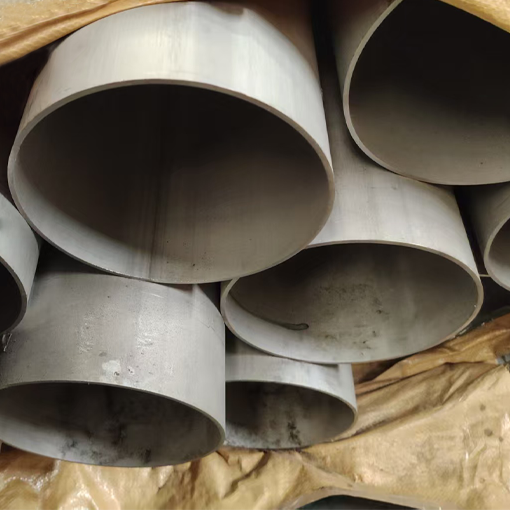
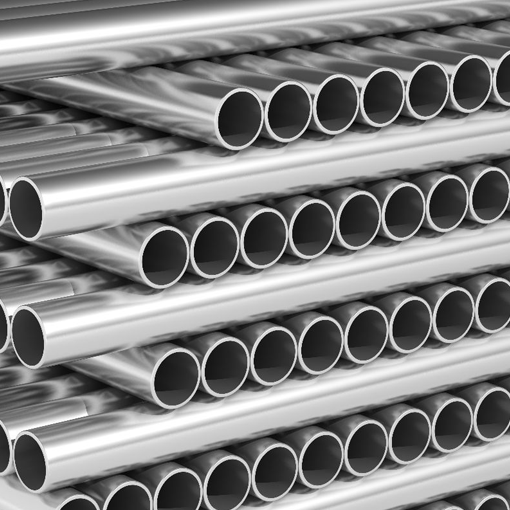
Stainless Decorative Tube
Manufacturing Process: Stainless steel strip rolling, longitudinal welding, polishing and finishing.
Applicable Standards: Manufactured per Chinese national standards; technical indicators for reference to overseas specifications.
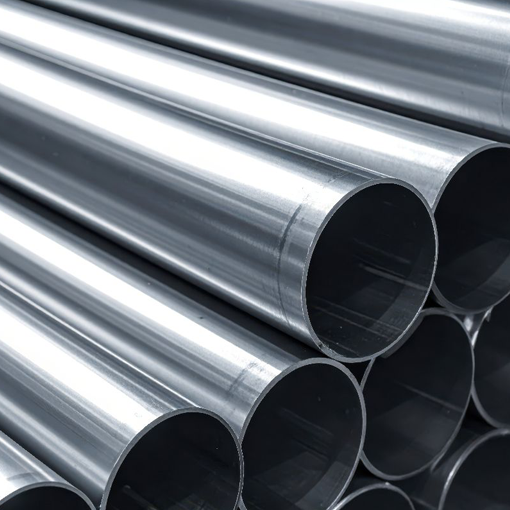
Surface Condition: Bright mirror finish, hair‑line brushed surface, colored surface optional.
Main Application: Railing, handrail, fence, elevator decoration, architectural interior & exterior decoration.
Key Performance Note: High‑quality bright surface for visual ornamental effect, moderate corrosion resistance for outdoor building usage.
Value‑added Service: Cutting, bending, punching, custom surface colour treatment.
Export & Supply: Individual protective film wrapping; direct factory supply for construction decoration projects.
Stainless Decorative Tube for Architectural & Railing Applications — Mirror, Hairline & PVD Color Finish
Welded Stainless Decorative Tube is what Tianjin Youcheng Technology Co., Ltd. supplies. Builders use it for decoration work and railing systems. It also goes into architectural interiors. Our team brings 12 years of steel distribution and export experience. Around 2000 tons sit in stock right now. Standard production lead time is 7–10 days. That suits construction projects and B2B buyers who need fast, steady supply. Grades 201, 304 and 316 are all on offer. Pick round, square or rectangular profiles. Three surface finishes exist as well: mirror polish, hairline brushing, PVD color coating.

What Is This Product?
Stainless steel strip is where This product starts out. It gets rolled, welded along its length, then polished or finished on the surface. That is how the strip becomes ornamental piping. Surface quality is what matters most here. Size accuracy counts too, and so does a consistent look. Pipe built for industrial pressure follows other priorities.
In the places these tubes end up, looks carry as much weight as function. Handrails and railings are one case. Fences are another. Elevator interiors and building facades fit here too. Pair the surface finish with the corrosion resistance stainless steel has on its own. What comes out is a material that suits decoration work indoors and out.

Product Specifications
| Parameter | Details |
|---|---|
| Material Grades | 201, 304, 316 |
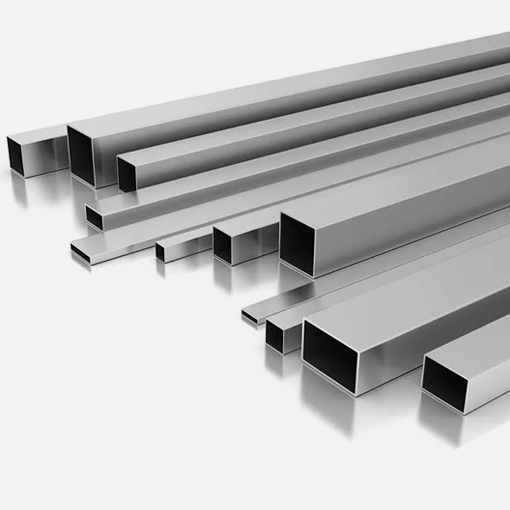
| Profile Type | Round, Square, Rectangular |
| Round OD Range | 12 mm – 114 mm |
| Square Size Range | 15×15 mm – 120×120 mm |
| Rectangular Size Range | 20×10 mm – 120×60 mm |
| Wall Thickness | 0.6 mm – 4.0 mm |
| Standard Length | 6 m (custom fixed cutting available) |
| Surface Finish | Mirror polish, Hairline brushing, PVD color coating |
| Dimensional Tolerance | ±0.1 mm – ±0.2 mm on OD and wall thickness |
| Documentation | Mill Test Certificate (MTC) per EN 10204-3.1 |
| Compliance | ISO, RoHS |
Can't find the size or profile you need on the list? Tell us. We can also go through custom production options with you.

Material Grade Guide: 201, 304, and 316
Two things settle which grade you buy. One is where the job sits. The other is what your budget can carry.
Cost is what decides most indoor decoration jobs, and Grade 201 suits that work well. For light-duty railing and furniture, the finish it leaves on the surface is good enough.
In city building projects, Grade 304 gets picked more than any other grade. Tensile strength sits at roughly 515 MPa. Oxidation resistance holds up to 870°C. It acts the same way in almost every type of atmosphere.
Molybdenum goes into Grade 316. That is what gives it better protection against pitting and crevice corrosion caused by chlorides. Coastal buildings and marine fixtures are where it is the recommended pick. Outdoor railings in areas with high humidity are covered too.

Surface Finish Options
The finish on the surface is one of the first things to think about when you pick material for decorative architectural work. You have three options:
Mirror Polish (8K): Light bounces straight off this surface, the way it does off a mirror. You see it a lot inside elevators. Lobby decoration and handrail systems use it too. Every batch has to come out the same, so the makers track surface roughness through the Ra value.
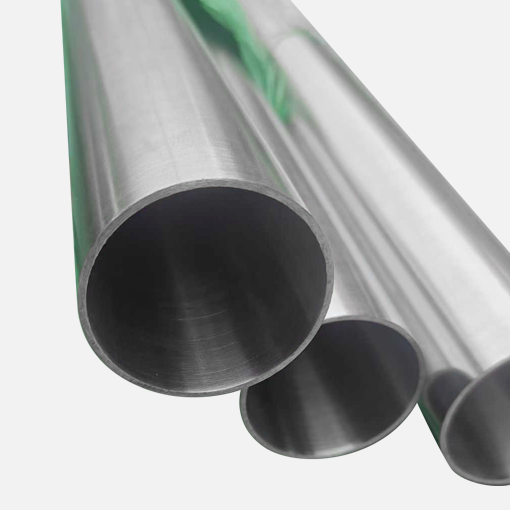
Hairline Brushing (Satin): The grain comes out in straight lines. Grit normally falls between 180–600. Railings and facades are where this finish gets used most. Glare drops, and the surface keeps a clean modern look.
PVD Color Coating: A tough color layer goes onto the polished base surface through Physical Vapor Deposition. Gold, black, rose gold, and other shades are possible. Tubes with a PVD finish turn up often in interior design and in commercial spaces. In those places both color consistency and surface durability have to hold.

Key Product Advantages
A tube leaves the line with enough ductility to take a bend. Lose that, and nobody can fabricate railing or handrail. The wall thickness also has to sit in the right ratio to the diameter. And the weld seam needs to land in the correct place while the bend happens. Get that wrong and cracks turn up.
The alloy mix holds little carbon. That keeps carbide precipitation down while welding. Over time, the weld zone holds on to its corrosion resistance.
Dimensional tolerance is held to ±0.1 mm – ±0.2 mm on outer diameter and wall thickness — important when tubes connect with precision fittings or pre-fabricated structural components.
Custom processing — cutting to fixed lengths, bending, and punching — is available directly from the factory, reducing downstream fabrication steps for your team.
Application Scenarios
Stainless Decorative Tube turns up in a lot of building work, both commercial and residential:
- Balustrades and Handrails: Think of crowded spots, like shopping malls, hotels, and office buildings. In those places the surface gets touched every day and cleaned over and over.
- Fencing and Gates: Outside, 304 or 316 grade tubes last a long time. The decorative finish holds up too, and it stays even.
- Elevator Interior Panels: Inside an elevator cabin, wall panels and trim come from mirror-polished tubes.
- Architectural Facades: Building exteriors are where hairline tubes and PVD-colored ones get used. Out there, two things count. Weather exposure is one of them. The other is a look that stays the same.
- Furniture and Cabinetry: PVD color tubes go into furniture frames. Homes use them. Hotel projects use them as well.
- Marine and Coastal Fixtures: Railings on boats and parts that sit near the sea call for 316 grade. What keeps rust away is the molybdenum in it.

Quality Control Process for Stainless Decorative Tube
Before anything leaves the plant, every batch gets checked. The steps follow a fixed process:
- For Chemical Analysis, a spectrometer test is used. It shows the Cr, Ni, and Mo levels fall inside the spec for that grade.
- Weld Integrity Testing can be covered by an eddy current test or a flattening test. Both reveal cracks that open once mechanical stress hits.
- During Surface Roughness Measurement, the Ra value is checked batch by batch. That way it stays consistent.
- ASTM B117 is the method behind Salt Spray Testing. It shows how well the material stands up to corrosion.
- OD and wall thickness get measured during Dimensional Verification. Both must stay inside the ±0.1 mm to ±0.2 mm tolerance.
Mill Test Certificates (MTC) come with every order, issued under EN 10204-3.1. On them you get the chemical composition and the mechanical properties taken from the factory inspection. If your project calls for third-party inspection, we can arrange that for an extra fee.
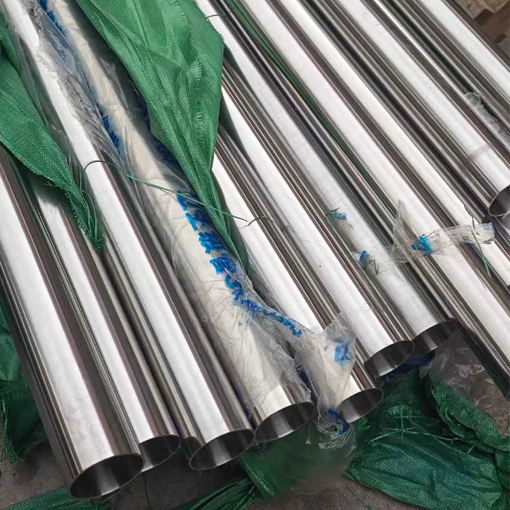
A layer of protective film is wrapped around every single tube. That happens before packing. Because of it, the surface finish of a Stainless Decorative Tube reaches the customer without a mark.

FAQ
Q: How do 304 and 316 grade tubes differ most?
A: Molybdenum sits inside grade 316. That is the reason it fares better near the coast, at sea, or around chemicals. Indoor jobs and plain city decoration are a different story. There, 304 costs less and stays the standard pick.
Q: Can these tubes be bent for railing fabrication?
A: Yes. The tubes are made ductile enough that bending won't break them. The ratio between wall thickness and diameter must be correct. And while the bend happens, the weld seam has to sit in the right place. If it doesn't, the seam can crack.
Q: At the job site, how should the mirror finish be cared for?
A: Use cloths made of soft microfiber, plus cleaning products with no chloride in them. Abrasive pads are what you want to avoid. They scratch the chromium oxide passive layer. Once that layer wears through, the base metal can oxidize.
Q: What makes tea staining show up on a tube surface after it is installed?
A: Dirt sitting on the surface is one common cause. Another is tiny iron bits caught inside the metal, which react with air. Passivation brings the surface back, and so does a better cleaning routine.
Q: Which documents come along with every order?
A: Each shipment ships with a Mill Test Certificate (MTC) to EN 10204-3.1. Chemical composition and mechanical properties are listed on it. Our factory inspection provides those results. Third-party inspection is available too, if you ask. There is an extra fee for that.
Q: What can I customize?
A: Custom cutting to fixed lengths, bending, punching, and PVD color surface treatment are all available. OEM and ODM services are supported to meet different project and market requirements.
Contact Us
Send your Stainless Decorative Tube requirements to sales@youchengkjsteel.com. We are glad to assist with specifications, samples, or order inquiries.
.webp)