Carbon Steel Mechanical Tubes: Properties, Applications, and Benefits
A carbon steel mechanical tube is a precision-made hollow steel section built for machining, welding, and structural fabrication across machinery, automotive, and hydraulic equipment production. This guide explains what separates mechanical tubing from structural or pressure pipe, which grades and standards actually matter, and how tight wall-thickness control affects scrap rate and tool life on a CNC line. I wrote it for procurement managers, design engineers, and QA inspectors who need a clear answer before issuing a purchase order. You will find grade comparisons, tolerance guidance, and a short case study showing how dimensional consistency cut rework on a real production line.
Before going section by section, here is the short version. Carbon steel mechanical tube combines strength, machinability, and cost control for shafts, sleeves, hydraulic cylinder barrels, and machine frames. Grades such as 1018, 1020, 1026, and standards like ASTM A519, ASTM A513, and GB/T 8162 define what you are actually buying. Seamless tubing removes the weld-seam weak point; cold drawing tightens tolerance and improves surface finish. Mill test certificates, heat traceability, and sample approval protect you from the scrap and downtime that uneven wall thickness and inconsistent hardness tend to cause. To get the right carbon steel mechanical tube for your project, reach out to us at sales@youchengkjsteel.com and let our team help you place your order.
What Are Carbon Steel Mechanical Tubes Made Of?
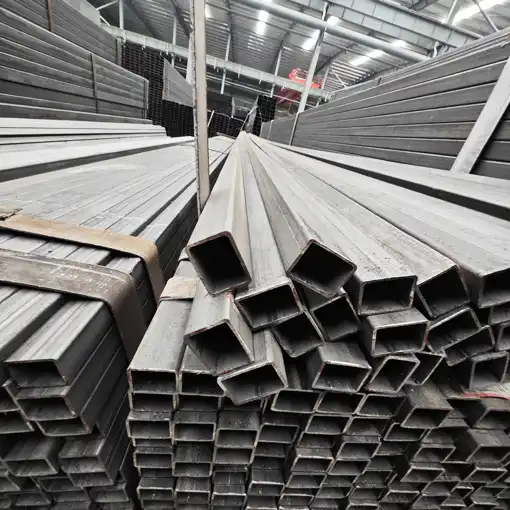
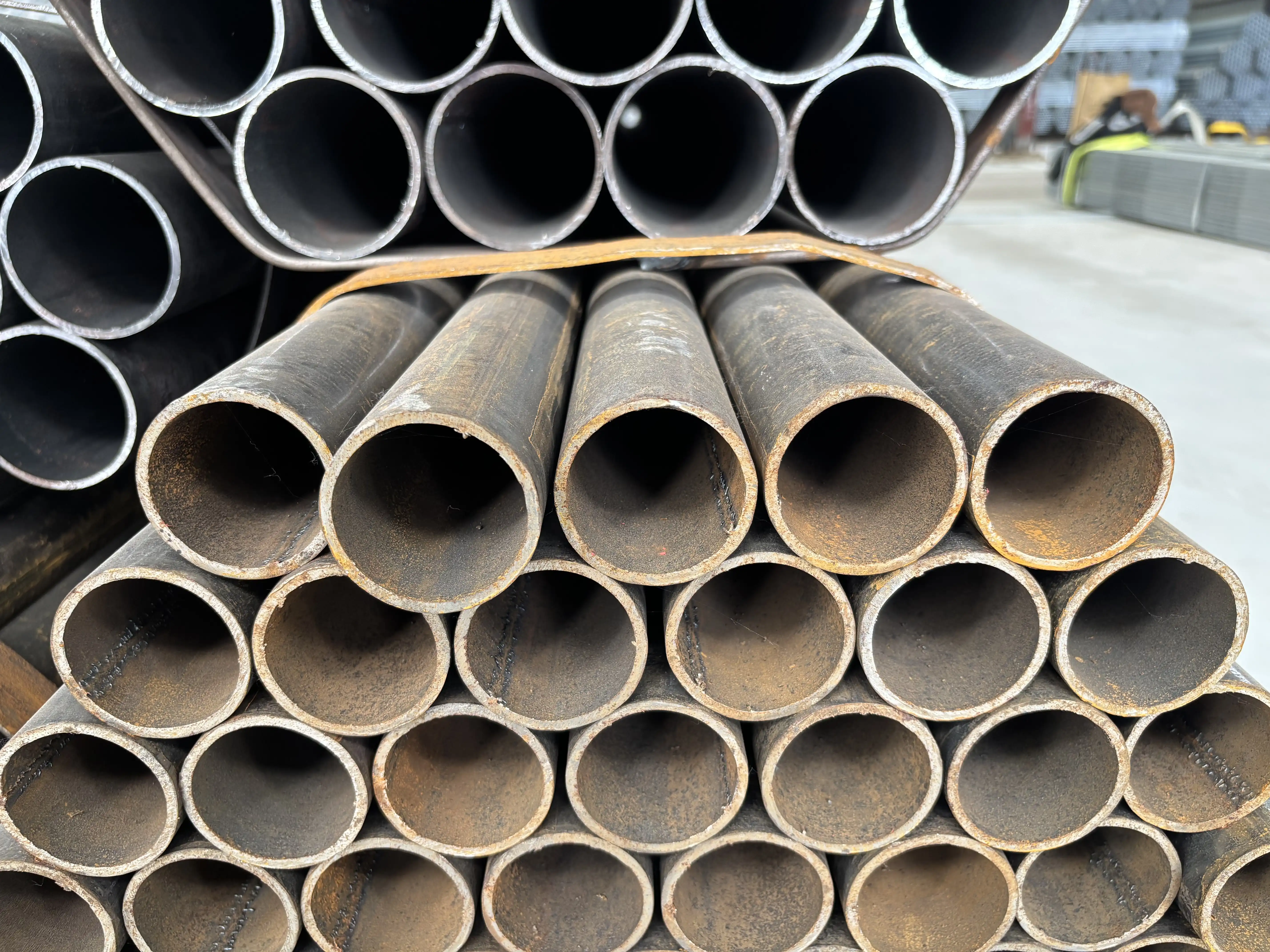
The carbon steel used to make a mechanical tube is a hollow steel product that is made to exact size, chemical, and mechanical needs. It's not meant to be used for general building; it's meant to be used to cut or make things. It is made in a lot of different shapes by tube and steel mills, such as round, square, rectangular, and more. You can cold-draw it, solder it, join it, or finish it with heat. A lot of people also ask for it to be chamfered, deburred, or cut to length. This saves the person who gets it time and effort.
Definition of Carbon Steel Mechanical Tubing
In terms of tolerances, surface finish, and mechanical properties, mechanical tubing is not the same as regular pipe. They are set for a later step in the building or machining process. For example, a company that makes hydraulic cylinders needs an inside diameter that stays round and straight so that a piston can fit without having to be made even smoother. Mechanical tube is its own group of products because it can be changed in so many ways. It's not just a normal pipe stock item.
What Mechanical Tubes Are—and Are Not
These words sound alike, but they're not. Pressure tubing, mechanical tubing, pipe, and structural tubing are not the same. For mechanical tubing, it's important to have precise measures and good machine work. Building and bridge rules tell us how to use structural tubes to make frames that can hold weight. Pressure tubing, like boiler or process pipes, is made to meet a code for both temperature and pressure. The pipe is picked based on its standard pipe size and pressure-service class, not on how well it was machined. As long as there isn't a written technical review, carbon steel mechanical tubes should never be used instead of structural or pressure-rated tubes. Why is this? The test standards and safety limits are not the same.
Typical Carbon Steel Mechanical Tube Manufacturing Process
Make steel and get the strip or billet ready. After that, hot form or drill, cut to size, and bend. After that, either cold draw or cold finish. Last, heat treat. Cut and smooth the edges last. Last, look over, mark, and pack. When Youcheng's smooth rounds are hot-rolled, the outside lengths and walls get bigger. Then, they are cold-drawn when the customer wants a tighter tolerance and a smooth surface. There is no need to do a step like cold drawing when the steel is hot-rolled. It already meets the drawing. For people who buy on the spot, this will keep the unit price low.
Key Chemical Composition of Carbon Steel Mechanical Tubes
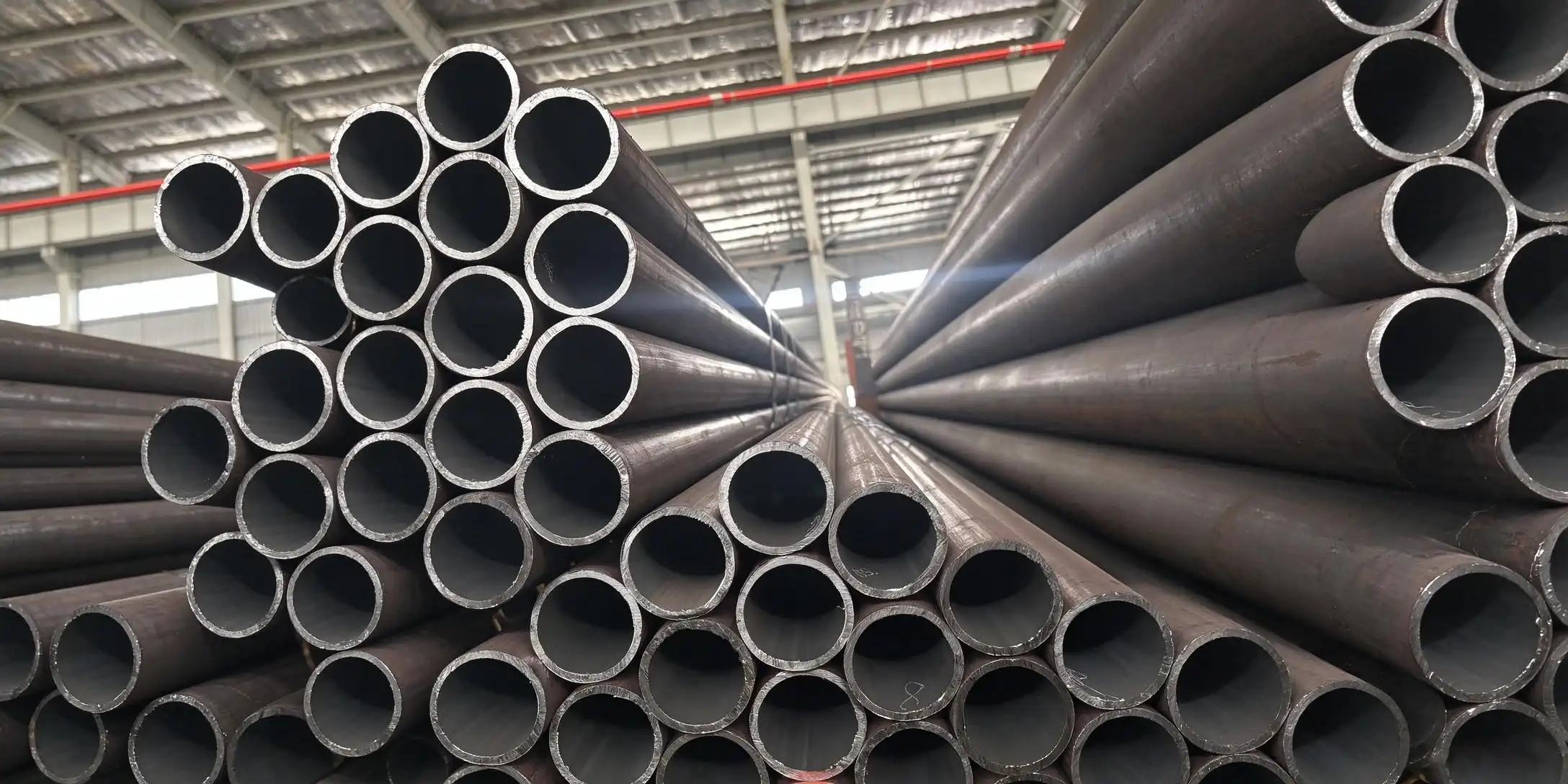
Science plans how to cut, weld, and crack a tube before it is even put on a lathe. If you get this right on paper, there won't be any fights on the job.
Main Elements in Carbon Steel Tube
| Element | Typical role in carbon steel tubing |
|---|---|
| Carbon | What something is made of affects how strong, hard, machine-able, and weldable it is. |
| Manganese | Makes things stronger and harder |
| Silicon | Removes rust and can make things a little stronger |
| Sulfur | You can make things better when there is enough sulfur, but not when there is too much. |
| Phosphorus | Things can get weaker when they have too much phosphorus. |
| Iron | Iron is the base metal and is used to make everything else. |
A mill certificate, not a general grade name, is the only source that makes sense for this grade and the rules that govern it.
Carbon Equivalent and Weldability
A simple way to check if carbon steel mechanical tube can be connected before it is cut is to look at its carbon counterpart. A number is made up of manganese, carbon, and other elements that mix with them. This number shows how likely it is that the metal will break when it is joined together. Even though the math makes sense, the risk is higher when the wall is bigger, the limit is higher, and the service temperature is low. When the qualification process for the welding method is put down, it's better for both the fabricator and the customer. It doesn't matter if the welding is on a car or a house.
Specification Data Buyers Should Request
The buyer should know the grade and standard, the chemical makeup limits, the outside diameter and wall thickness, the size tolerances, the surface condition, the mechanical property requirements, the nondestructive testing requirements, and the mill test certificate with heat number. Give this list to your QA tester before the first sale, not after there is a problem with scrap. Every new lot will be able to be compared to that one. It reads "U.S." Geological Survey, the world made more than 1.8 billion metric tons of raw steel in 2023. It is sold by more than 1,000 mills around the world under grade names that sound the same but are different.
Mechanical Properties of Carbon Steel Tubing Explained
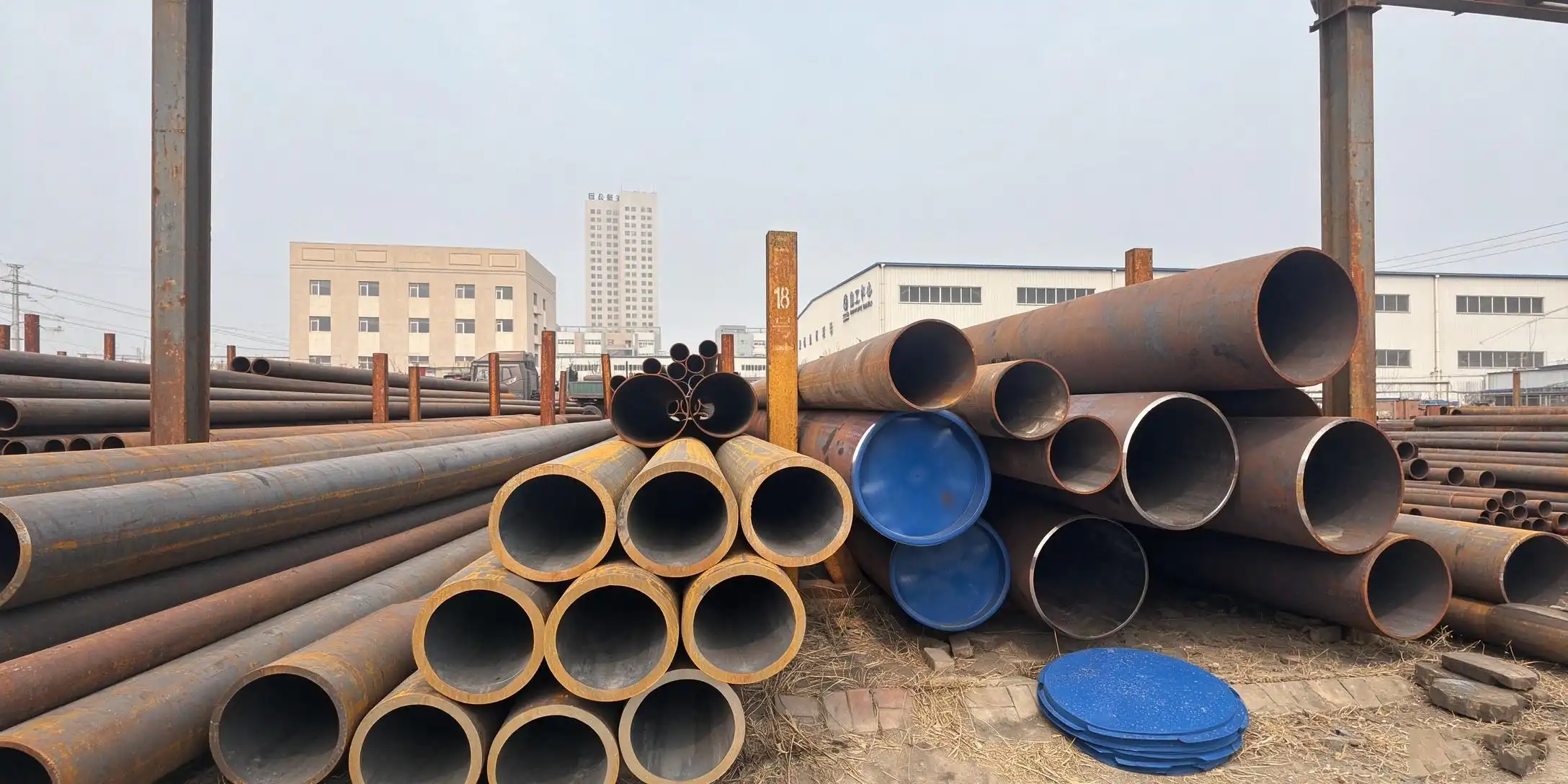
It's only helpful if these strength numbers match up with how you load and make the tube.
Core Mechanical Properties
Most of the time, softness, toughness, fatigue resistance, elongation, yield strength, and tensile strength are all things that are thought about when choosing carbon steel mechanical tube. The public is given values that are based on the grade, tube size, production method, heat treatment, and the direction from which the test sample was taken. The chemistry label on a 1020-grade bar and a 1020-grade cold-drawn tube might be the same, but their numbers might be different.
How Tube Geometry Affects Performance
What makes a tube work well under load is not just the grade of the base material. How the piece is shaped, how long it is hung, how oval it is, and where the weld seams are located are also important. A tube with a wide outside width and a thin wall can bend in one place before the steel gets strong enough to bend again. Design engineers shouldn't use a general table with made-up grade values. They should instead get test results that have been confirmed and are linked to the exact size of the tube.
Mechanical Property Verification
To test something, you need to stretch it to the right length, check its hardness, flatten or flare-weld items, see how well they hold up in low temperatures or for safety, measure and check the shape and surface, and keep an eye on the heat and a lot more. We check each box that comes in from one of the medium-sized companies that makes driveshaft parts for us to see how hard it is. That one step caught a lot of uneven stuff from a different source before it got to the lathe. With this, the tools didn't break for about two shifts.
How Tensile Strength Affects Tube Performance
People who want to sell something often talk about tensile strength, but it doesn't answer most of the questions people have.
Tensile Strength Versus Yield Strength
The yield strength tells you how much force it takes to change the shape for good. When you stretch something, you can find out how strong it is before it breaks. It's not always true that a stronger carbon steel mechanical tube is better for the job if what's more important is that it bends, welds, lasts longer, or stays stable.
Carbon Steel Mechanical Tube Strength Comparison
| Selection factor | Lower-strength carbon steel | Medium-strength carbon steel | Higher-strength or heat-treated steel |
|---|---|---|---|
| Formability | Usually higher | Moderate | Often lower |
| Machinability | Usually favorable | Grade-dependent | May need controlled tooling |
| Weldability | Generally favorable | Needs review | More sensitive to procedure |
| Load capacity | Moderate | Higher | High, application-dependent |
| Typical use | Fabricated parts and brackets | Shafts, sleeves, frames | High-load components |
Market info sheets don't give you exact numbers. You should instead look at a customer standard, ASTM, EN, or SAE standard.
Strength-Related Design Risks and Mitigation
People often plan for tensile strength instead of yield strength, don't think about the chance of bowing in thin-wall sections, think that a weld seam works the same way under cycle load as a seamless material, and use the wall thickness given without considering error. The barrel of a hydraulic cylinder shows this. If the highest theoretical wall of the tube is thought to be present when it is actually at the low end of the range, the pressure number goes down. No one sees until something goes wrong in the field.
Common Grades of Carbon Steel Mechanical Tubes
On paper, grade names may look the same, but they're not the same everyplace in the country.
Common Carbon Steel Grades
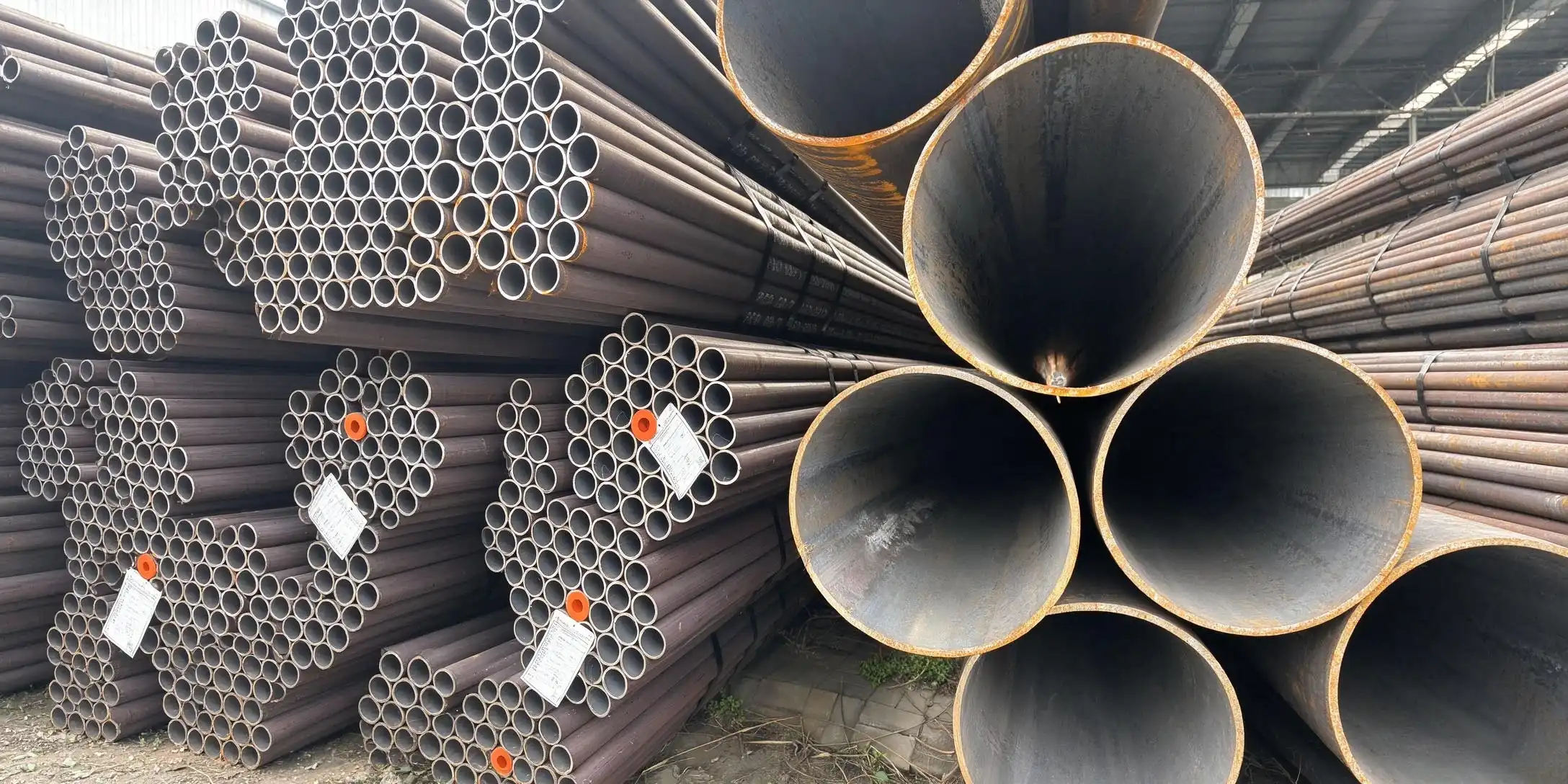
AISI 1010 and 1018 both talk about carbon steel mechanical tube materials that are low in carbon and can be cut and shaped. Because it is strong and easy to work with, AISI/SAE 1020 is good for making shafts and bearings in general. AISI/SAE 1026 is stronger than the higher grades because it has more carbon in it. ASTM A513 covers mechanical tubing that has been welded, and ASTM A519 covers smooth mechanical tubing made of steel and alloy steel. That's what EN 10305 says about how to ship accurate tubes and what sizes they need to be. Youcheng ships 10#, 20#, 45#, and 16Mn (Q345B) grades according to GB/T 8162. ASTM A519 grades 1018, 1020, and 1045 are the same as these grades.
Grade Selection by Application
| Application requirement | Possible material direction |
|---|---|
| Easy bending and forming | Steel that is thin and easy to bend and shape |
| General machine work | Steel 1018 or 1020 grade |
| Higher strength | 1026 type or a certain alloy/heat-treated grade |
| Tight dimensional control | Fine cold-drawn tube |
| Pressure or internal integrity needs | Rule that applies to everything |
| Cost-sensitive welded fabrication | ASTM A513 or a grade that works just as well. |
Grade Verification and Equivalency Risks
It's not enough to just look at the grade name while reading a quote. It is also important to learn about the chemicals that are used, the mechanical qualities that are needed, the transportation conditions, the heat treatment, the standard sizes, and the test methods. "Equivalent to 1045" doesn't mean much unless it's signed off on by an expert for the buyer. It was turned down at the port because the paperwork only said "equivalent grade" and didn't say what the real standard and chemistry range were.
Seamless vs Welded Carbon Steel Mechanical Tubes
A lot of the time, this is the first real point where the designer has to Pick One.
Manufacturing and Performance Differences
| Feature | Welded mechanical tube | Seamless mechanical tube |
|---|---|---|
| Manufacturing | Shaped strip joined along a lengthwise seam | Made from a hollow billet that has been cut |
| Typical cost | Usually cheaper | Usually more expensive |
| Dimensional consistency | The size stays the same | The process and finish change it |
| Seam consideration | Remember the seam; check the weld zone | Don't weld along the length of the piece |
| Common use | Frames, plates, and auto parts | Machined parts, demanding integrity needs |
| Availability | We have a lot of sizes in stock | Getting big or odd sizes takes longer |
When woven carbon steel mechanical tubes are bent, twisted, or loaded over and over, there isn't a single part that could break. Pump barrels and some parts of driveshafts that spin depend on it.
Cold Drawn Versus Hot Finished Tubes
During cold drawing, the tube is pushed through a die. It also straightens out the tube, makes the surface smoother, and work-hardens it to make it stronger. To get to the end size, less stock needs to be taken away, so less work needs to be done. Hot-finished tube is better for jobs that don't need stricter rules and need bigger sizes. It's also true when price or quantity are more important than a nice shine.
How to Choose Between Seamless and Welded Tubing
Before you pick a path, do these things. The part might work with a join gap, but does it need to be smooth because of pressure inside? Are you going to CNC machine, smooth, flare, or bend the tube when it gets to you? In each process, seams are dealt with in a different way. What does GB/T 8162, EN 10305, ASTM A513, or A519 say in the customer drawing? How long does each choice take, and how much does it cost? Ask the seller these four things before you place your order. After this, your lot won't be turned down.
Industrial Applications of Carbon Steel Mechanical Tubing
When most people buy something, they don't know how many other things they can use it for until they try it out.
Machinery and Equipment Components
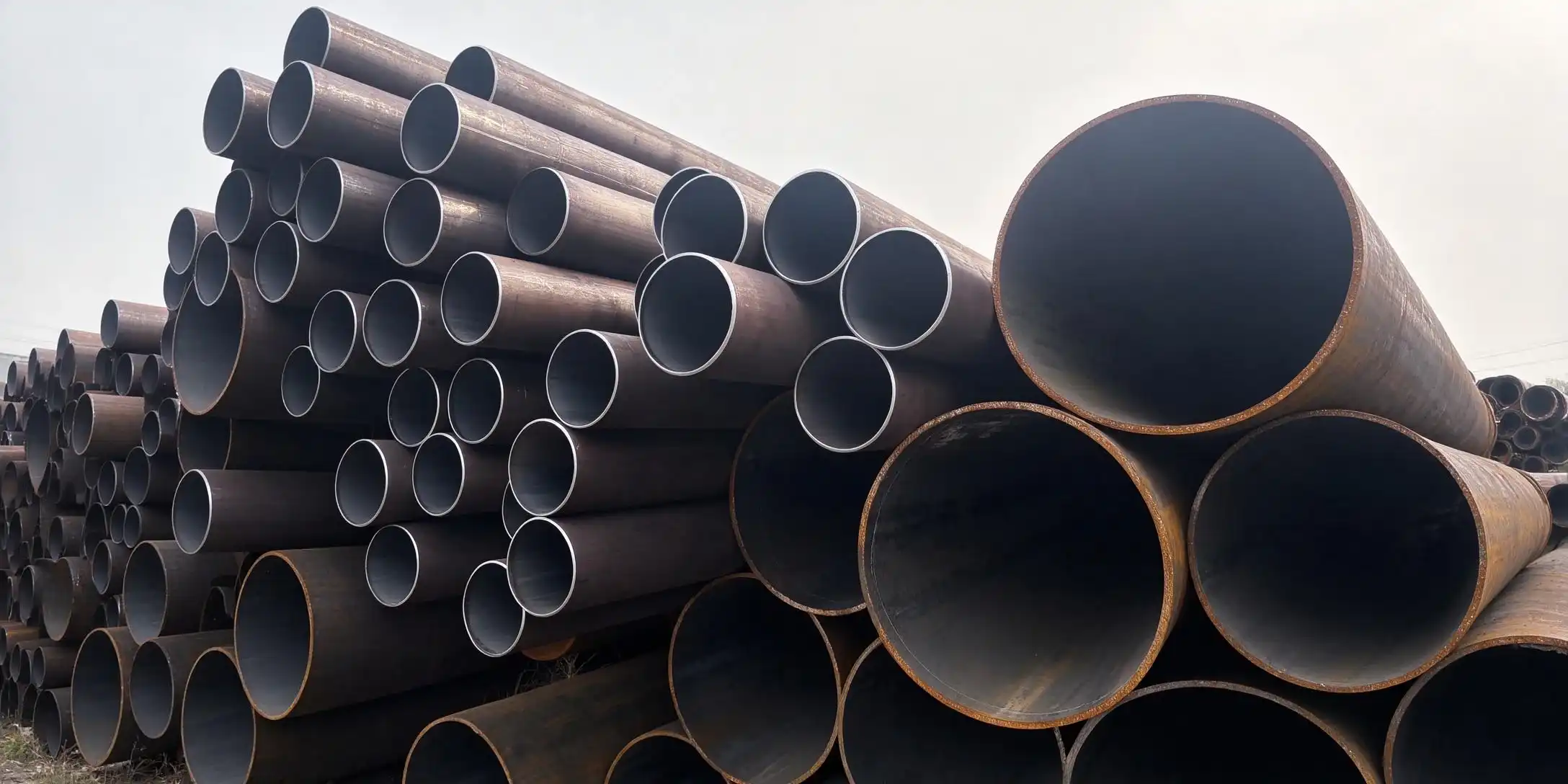
As the pressure levels allow, parts for hydraulic and air equipment, parts for conveyors, machine frames, and farming and moving tools are often made. So are shafts and sleeves. Youcheng's seamless rounds can be between 8 mm and 323.8 mm across and between 1 mm and 30 mm thick. Heavy hydraulic cylinder bodies are one use for them, but they can also be used for light brackets. They are all in the same grade.
Construction, Fabrication, and Industrial Frames
With carbon steel mechanical tube, fabricators can make plates, racks, lifting systems, equipment guards, and other structures for the industrial world. If you want to build something, you shouldn't just assume that any carbon steel mechanical tube is construction-rated. Even so, you should still use the right standard for structural tubes. This difference is most noticeable during a factory audit, when the certificate of material matches the reason it was used.
Three Use-Case Scenarios
A brand owner who has a line for making brackets and sleeves needs consistent sizes, cut-to-length service, batch tracking, and a set monthly supply. Metal distributors need to keep standard sizes of stock on hand, use strong packaging, be able to handle orders of all shapes and sizes, and have export paperwork that can quickly clear customs. One way for a repair shop to replace a worn-out hydraulic part is to get a new one quickly that is the right size and made of the right material. This is because it costs more than the tube itself every day that the line is down.
Case note from our customer file: A mid-size auto parts machining factory in Southeast Asia switched its driveshaft sleeve supply to Youcheng's cold-drawn seamless tube after repeated wall-thickness drift from a previous vendor. Internal production records showed scrap rate during CNC machining dropped from roughly 11% to 3% over two production months, and average tool change frequency fell by close to 20%, based on the plant's own machining logs shared during our supplier review call. Their production supervisor told us directly: "We stopped recalibrating the lathe every shift once the wall thickness held steady lot to lot."
How Carbon Steel Tubes Support Automotive Manufacturing
Auto buyers have stricter rules about paperwork than buyers in most other machinery fields, and there's a good reason for that.
Automotive Components and Assemblies
People often use carbon steel mechanical tube for frame and chassis parts, seat frames, steering and suspension parts, exhaust system parts, drive and linkage parts, seat rails, and tube support parts. Before making a safety-important part, it has to be checked for every customer, the process has to be approved, and the whole batch of materials has to be able to be tracked.
Automotive Tube Requirements
People who buy things in the automotive industry usually want the same outside diameter and wall thickness. They also want to be able to control the straightness and ovality of the parts, be able to show that the weld is strong when needed, have a surface quality that can be coated or shaped, and be able to keep track of each batch using PPAP or a similar quality document. A tube won't pass a bend test because it's not round enough, even if it's scientifically sound. This is why control of both chemicals and physical things is checked.
Automotive Manufacturing Risks and Controls
| Risk | Recommended control |
|---|---|
| Size changes | Inspections when people arrive and close attention paid to the statistical process |
| Weld process flaws | Weld process control and nondestructive tests |
| Cracking during forming | The grade, temper, and bend tests are checked. |
| rust after production | Guide on how to cover, oil, plate, or stop rust |
| Things that don't match up between batches | Tracking lots, heat numbers, and MTCs |
Key Benefits of Carbon Steel Mechanical Tubes in Industry
It's easy to compare prices per ton, but this number isn't always useful when you need to fix things or work on machines.
Performance and Manufacturing Benefits
It is simple to make, can be shaped and soldered, comes in many sizes, gives a lot of material, coats well, and can be used for long runs if you choose the right type of carbon steel mechanical tube. The market for pipes and tubes made of carbon steel will grow by more than 4% each year until the early 2030s. Asian and American needs for cars and other tools are what will drive this growth.
Cost and Lifecycle Considerations
It includes the cost of materials, the amount of scrap and yield that can be made, the cost of inspection and certification, the cost of packing and handling, the cost of protecting against corrosion and tool wear, the risk of having to do more work, and the cost of keeping stock. In the long run, a tube that costs 5% less per ton might cost more if it needs more cleaning or has more scrap when it's CNC made. When we talk about prices, this is the math I show customers most of the time.
Limitations and Risk Mitigation
If you don't cover the surface, corrosion can happen. Grades can be different from one wholesaler to the next. Some welded products can have different weld zones. Lots can be different sizes. Custom sizes or special tests can take longer than thought. What can be done to fix almost all of them? An approved sample before the full order, a clear inspection plan, and a mill test certificate that can be tracked with every shipment.
How to Select the Right Carbon Steel Mechanical Tube and Evaluate Suppliers
This is also where most mistakes that cost a lot of money happen. These are the steps that go into placing an order to buy.
Carbon Steel Mechanical Tube Selection Checklist
First, write down all the loads and uses for your carbon steel mechanical tube. After that, choose the right grade and standard. Write down the outside diameter, inside diameter, wall thickness, length, and range instead of saying them over the phone. One of four ways to build it is by welding, cold-drawing, hot-finishing, or making it seamless. You should also show the surface finish, how straight or square it is, and the picture's final state. Make sure you know what kind of wrapping, shaping, cutting, or checks and certificates you need before you buy samples. Also, know how much you need, when you can get it, and how many you need to place an order. If you look over a sample before the whole run is made, it's simple and cheap to fix mistakes in the first work.
Carbon Steel Mechanical Tube Specifications and Dimensional Tolerances
| Where to put details | What kinds of details are needed |
|---|---|
| Material | What kind of material it is, the rules, and the chemistry limits |
| Dimensions | Sizes include OD, ID, wall thickness, length, and more. |
| Tolerances | It looks at the outside diameter, the wall, the length, the ovality, and the straightness. |
| Condition | It has been cold-drawn, fixed, annealed, and freed of stress. |
| Surface | The surface can be oiled, pickled, polished, or covered. |
| Testing | There are NDT, tensile, hardness, flattening, flaring, and other tests that you can get. |
| Traceability | The heat number, the lot number, and the MTC can all be kept track of. |
| Packing | To pack things, people use labels, caps, moisture protection, and bags. |
"Tight tolerance" doesn't protect anyone on a buy order. Most of the time, limits need to come from a model with numbers that everyone agrees on.
Supplier Capability and Evaluation
Looking for a manufacturer, exporter, or trading partner that can make carbon steel mechanical tubes in the exact sizes you need, has a documented quality system, stable raw material sourcing, heat and lot traceability, can handle both stock and custom cut-to-length orders, knows how to package for export, and is clear about MOQ, lead time, and Incoterms? All of these things are important. Tianjin Youcheng Technology Co., Ltd. has sold round seamless carbon steel mechanical tube since 2014. They have about 20,000 tons of stock on hand and can make tubes in seven to ten days. Plus, they're open 24 hours a day to help people who have questions. Every order comes with an EN 10204 3.1 mill test certificate. If you need one more, we can also help you get an SGS or BV check.
Compliance, Quality Verification, and Procurement Documents
For mechanical tubing, ASTM A513 covers tubing that is welded and ASTM A519 covers tubing that is not welded. EN 10305 talks about how precision steel tubes should be delivered, and ISO 9001 talks about quality management systems. There are times when the CE mark is on the whole unit, not just a tube that doesn't link to anything else. Don't just believe what REACH and RoHS say; check them against the rules of the market they're going to, the coatings they're meant for, and the purpose they're meant for.
Check the heat number and mill test certificate, the chemical make-up, the tensile and hardness results, the OD, wall thickness, straightness, and surface. Also look at the purchase specification and standard. Always check them to make sure there are no marks or signs on them. After checking them, keep all the records for later use.
Procurement Factors: MOQ, Lead Time, Logistics, and Commercial Terms
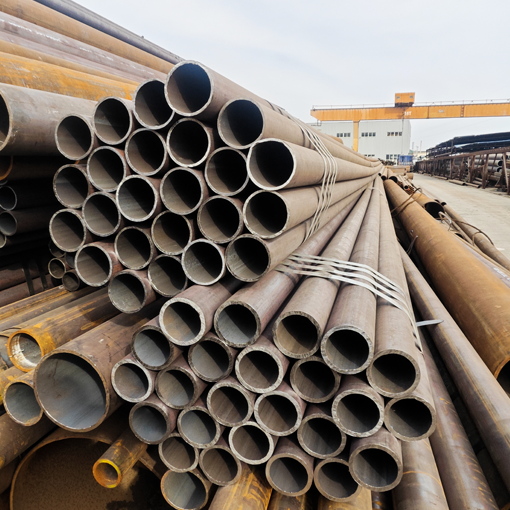
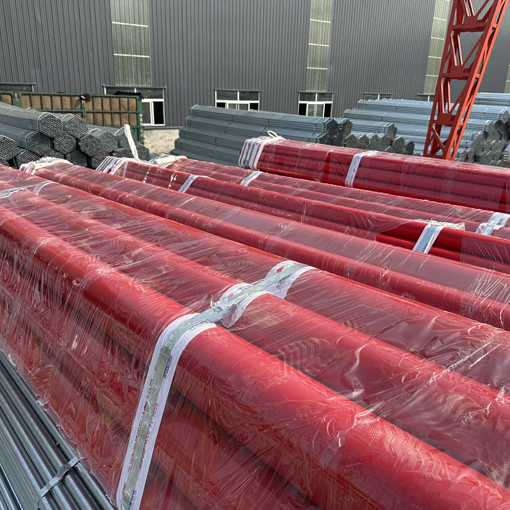
The MOQ for a stock size is not always the same as the MOQ for a special mill order. Lead time is also affected by how quickly you can get tools, raw materials, heat treatment, and the production plan for the time being. Before the first shipment leaves the port, the buyer should be clear on the agreed Incoterms® 2020 rule, the payment terms, the way the goods will be packed for export, and all the paperwork. The packing list, certificate of origin, MTC, and inspection report are some of these. Youcheng sends regular hexagonal bundles to Southeast Asia, South America, and the Middle East. The steel strips that hold them together have made them strong enough to last over long ocean paths.
Conclusion
You can't just match a grade name to a price per ton to pick a carbon steel mechanical tube. The best choice depends on the material's chemistry, how it will be made, its mechanical properties, its size, any tolerances, its load, how likely it is to rust, how often it needs to be inspected, and how fast the supplier can deliver. Cheap machine and built-up parts can be made from welded tube. If you don't need to weld joints or need more strength on the inside, like in hydraulic cylinder barrels, choose smooth tubes. When you need exact sizes and a smooth surface, cold-drawn tube is the best choice for your CNC line. You should always ask for test paperwork that can be tracked when you place an order for OEM, a car, or export. When you look at providers, don't just compare prices. Also check out how well they do their job and how much it costs to do business with them.
FAQ
What is a carbon steel mechanical tube?
A carbon steel mechanical tube can be shaped, welded, or made in a lot of different ways that let you change its size, mechanical qualities, or other features. It's not full. You can weld, smooth, cold-draw, or hot-finish it, so you can do anything you want with it.
What are the common carbon steel mechanical tube grades?
The AISI/SAE 1010, 1018, 1020, and 1026 types of steel are often chosen. Other things that are okay are those that meet ASTM A513, ASTM A519, EN 10305, and GB/T 8162. You don't have to look at just the name to get the exact grade. Other things you should look at are the chemical and the mechanical properties.
What is the difference between ASTM A513 and ASTM A519 tubing?
ASTM A513 is the standard for industrial tubes made of carbon and alloy steel that has been welded together. ASTM A519 is the standard for mechanical tubing made of flat carbon and alloy steel. There are rules about how your part should be made that depend on its size, how it will be tested, and what it will be used for.
Are carbon steel mechanical tubes suitable for automotive applications?
Yes. Metal tubes made of carbon steel are used to make brackets, seat frames, chassis parts, links, and tubing systems for cars. For uses that are very important for safety, you still need to get permission from the customer, try it to make sure it works, and make sure it can be tracked from heat to heat.
How do I choose welded or seamless carbon steel mechanical tubing?
Waxed tubes with a weld line are the best choice if you care about price, availability, and how well the metal works in general. Choose seamless tubing if you don't need a straight weld line or a certain internal-integrity form.
What documents should a buyer request from a tubing supplier?
Most of the time, the end market will need a mill test certificate, a chemical analysis, mechanical test results, a measurement inspection report, a heat or lot tracking record, a packing list, proof of origin, and any quality or compliance records they need.
How are carbon steel mechanical tube dimensional tolerances specified?
Tolerances are usually set by ASTM, EN, SAE, or a customer's drawing. People who want to buy something shouldn't just rely on language that shows tolerance. As well as the outside diameter, length, ovality, straightness, surface condition, and end preparation, they should also know how thick the wall is.
Ready to Specify Your Next Carbon Steel Mechanical Tube Order?
Here is a short list of technical questions you should write down before you call suppliers. You should list the type and size of tube you need, as well as its grade and governing standard, as well as how much you need, when you need it delivered, any tolerance and surface requirements, any forming or coating needs, inspection certificates that are needed, and the country where the tube is going with Incoterms. If sent first, the time it takes to get a price is often cut down from days to hours.
Thanks for having me. Hi, my name is Stella Yang and I work at Tianjin Youcheng Technology Co., Ltd. as the Sales Manager. My business has been making and shipping carbon steel mechanical tubes for auto parts plants, machinery OEMs, and steel distributors since 2014. 10#, 20#, 45#, and 16Mn (Q345B) are the grades of our seamless rounds. These are the same as ASTM A519 1018, 1020, and 1045. It has an outside diameter that is between 8 mm and 323.8 mm huge. Send your drawing or spec sheet to sales@youchengkjsteel.com, and we'll get back to you right away with a quote. Your line needs a trusted source for carbon steel mechanical tube that can be delivered in 7–10 days and can be tracked back to the mill. We're here to help.
References
1. International Organization for Standardization. ISO 9001:2015, Quality Management Systems — Requirements (2015). https://www.iso.org/standard/62085.html
2. Market Research Intellect. Carbon Steel Tubes and Pipes Market Report (2024). https://www.marketresearchintellect.com/product/carbon-steel-tubes-and-pipes-market/
3. U.S. Geological Survey. Mineral Commodity Summaries 2024: Iron and Steel (2024). https://pubs.usgs.gov/periodicals/mcs2024/mcs2024-iron-steel.pdf
4. International Chamber of Commerce. Incoterms® 2020 Rules (2020). https://iccwbo.org/business-solutions/incoterms-rules/
About the author: Stella Yang is Sales Manager at Tianjin Youcheng Technology Co., Ltd., where she has worked directly with machinery OEMs, auto parts factories, and steel distributors across Asia, the Middle East, and the Americas on seamless and welded carbon steel tube orders for over eight years. She focuses on matching tube specifications to real machining and assembly conditions rather than catalog values alone.